




Iran to Declare New “Prohibited Zone” Near Hormuz as Gulf Shipping Hits Lowest Level Since May
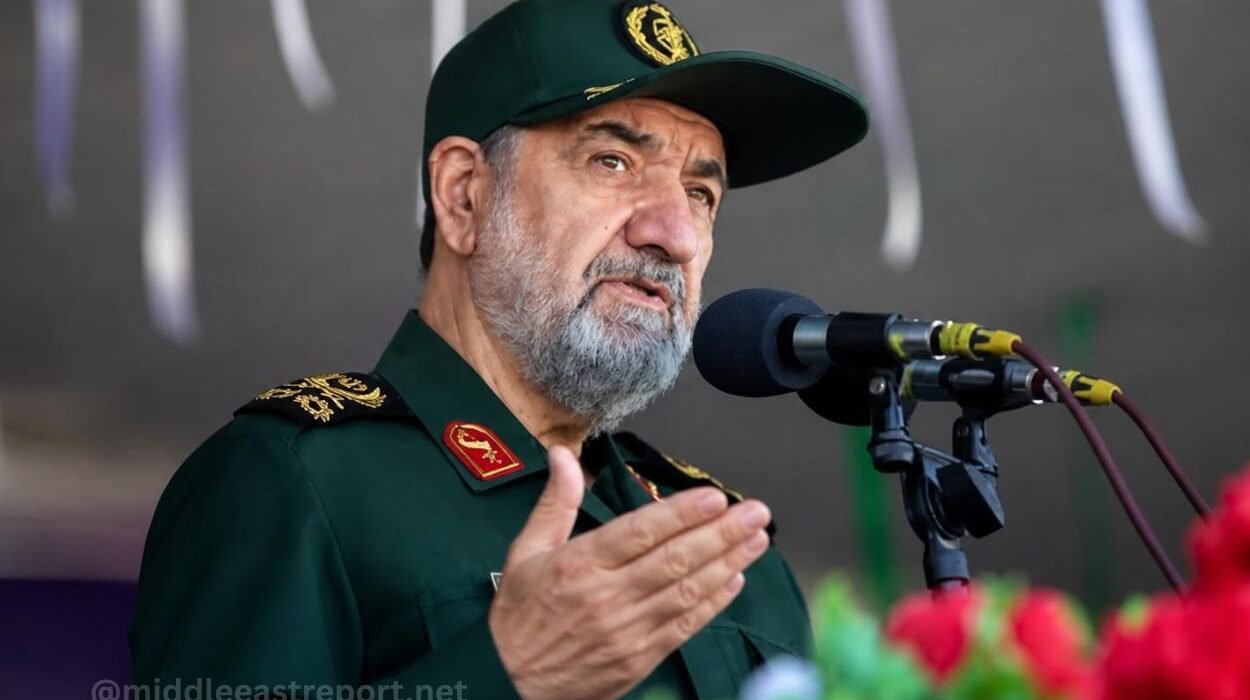
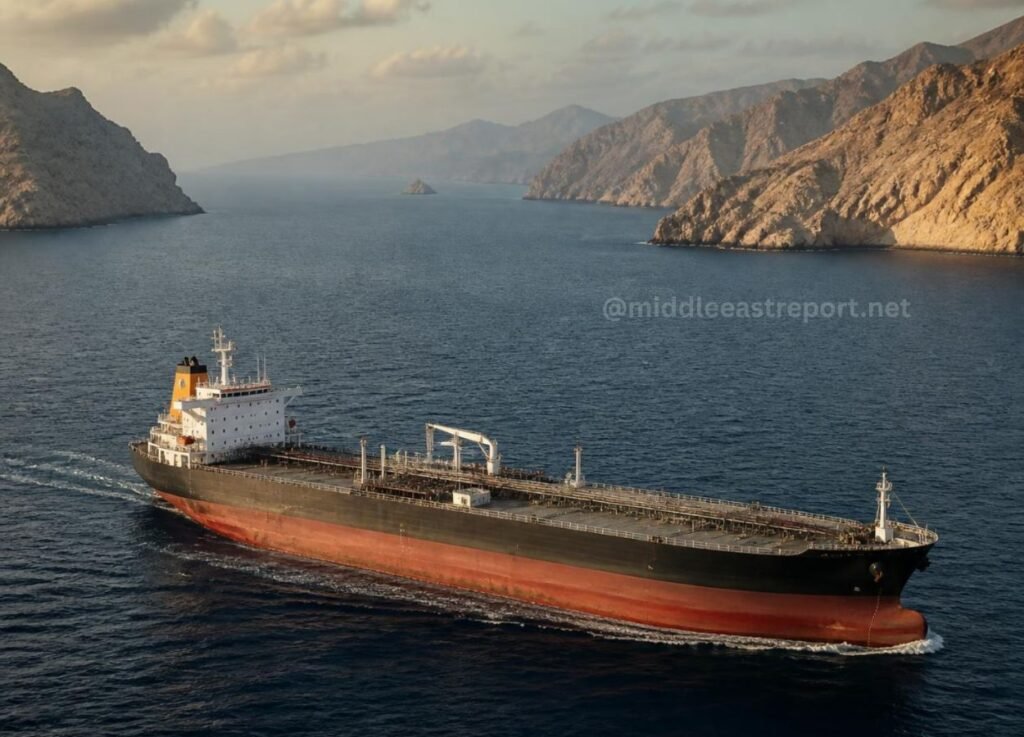
Iran plans to announce a new restricted maritime zone near the Strait of Hormuz within days, along with long-awaited maps for a shipping corridor through the strait, its top security official said Sunday — a move that pushed oil prices higher as tanker traffic through the vital waterway sank to its lowest level since May.
Mohsen Rezaei, secretary of Iran’s Supreme National Security Council, told state television the new zone would extend from the line of the US Navy’s current blockade into surrounding areas of the Gulf.
Any vessel entering it, he said, would be placed on Iran’s sanctions list. Few further details were disclosed. Separately, Rezaei said maps outlining a new international passage through Iranian and Omani waters — under Iranian management — had already been agreed and would be signed shortly.
He added that Tehran would only guarantee Hormuz’s openness once the United States halted what he described as sabotage and attacks against Iran.
The announcement follows a weekend exchange of strikes on shipping in the Gulf and comes six months into the war triggered by US and Israeli strikes on Iran in February.
A ceasefire reached in June has since collapsed, and diplomatic efforts to revive it have stalled. Shipping-tracking data released Monday showed an average of just 10 commodity vessels transiting the strait daily over the past ten days — a sharp drop that helped push Brent crude up 0.8%, above $97 a barrel, extending gains from the previous week.
Roughly a fifth of the world’s oil supply passed through Hormuz before the conflict began. Iran’s Parliament Speaker, Mohammad Baqer Qalibaf, warned that any future attack on Iranian interests would draw a faster and more severe response than before.
Tehran is also grappling with mounting economic strain from US sanctions targeting its oil exports, which senior Iranian officials say is becoming harder to withstand.
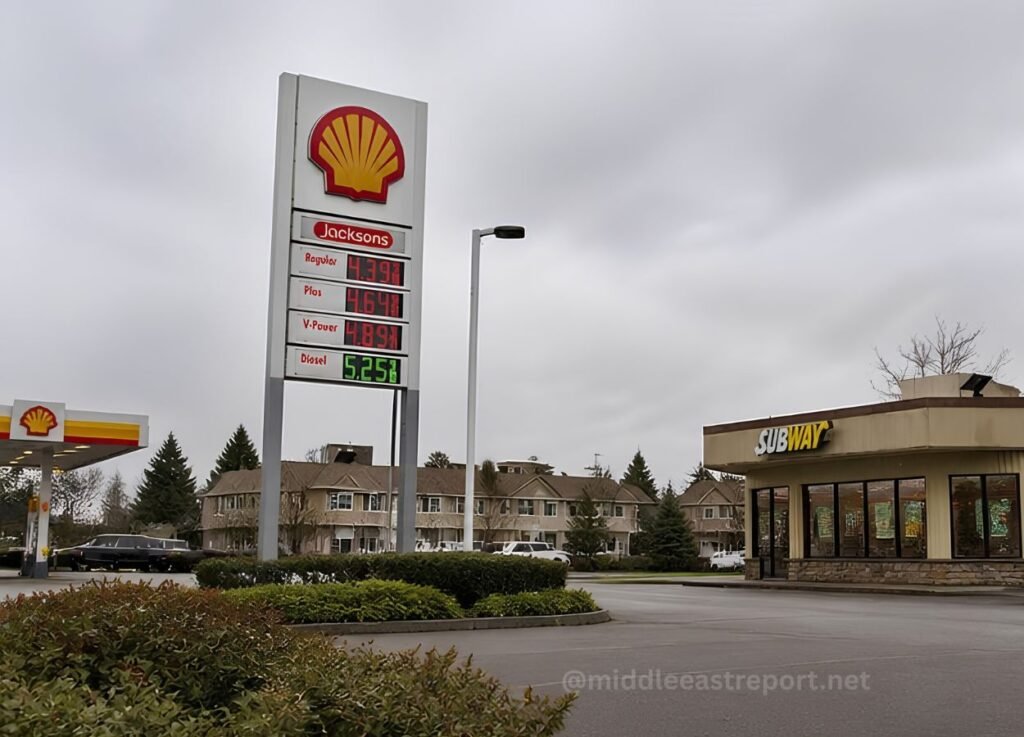
In Washington, the fallout from rising fuel costs is adding political pressure on President Trump’s Republican Party ahead of November’s congressional elections.


