



Trump’s Six-Month War With Iran Draws Comparisons to Post-9/11 “Forever Wars”
Twenty-five years after the September 11 attacks launched America’s global war on terror, President Donald Trump finds himself entangled in a costly, open-ended confrontation with Iran that analysts say bears an uncomfortable resemblance to the “forever wars” of Iraq and Afghanistan — despite Trump having campaigned as a peacemaker who would end, not start, foreign conflicts.
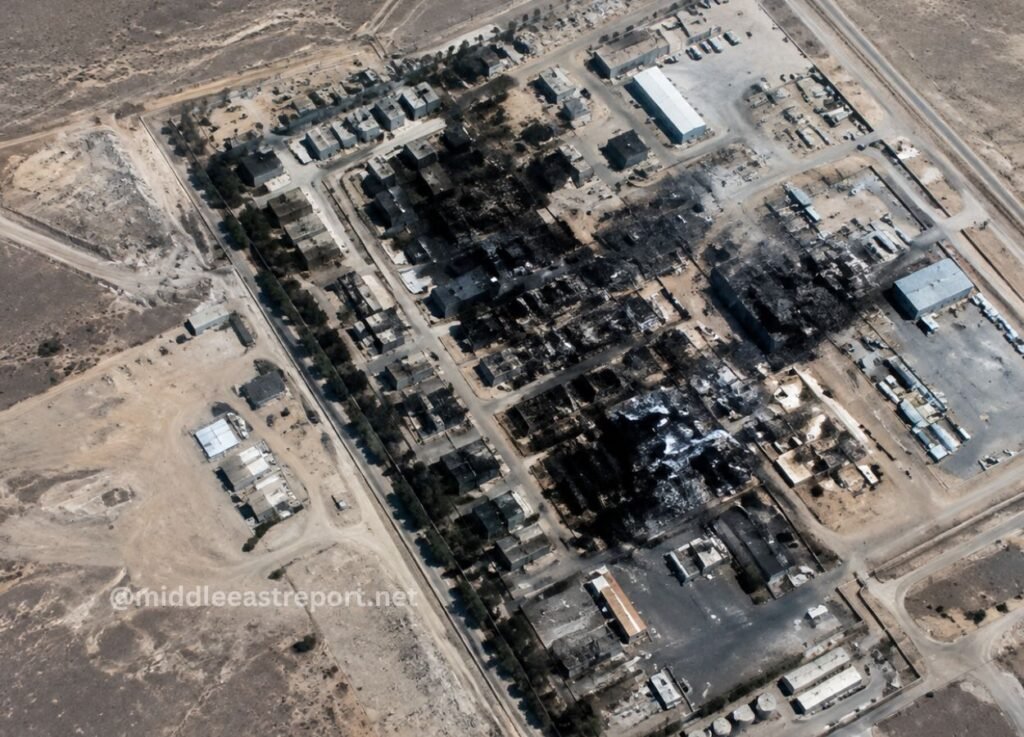
Six months into the war, the United States remains locked in a grinding battle of attrition rather than a decisive victory, marked by episodes such as this week’s exchange of tanker attacks in Gulf waters.
Sina Toossi of the Center for International Policy warned that Trump has broken a long-standing Washington taboo against launching another major, open-ended Middle East war, potentially leaving his successor to inherit an entrenched standoff with Tehran.
Unlike the ground wars in Iraq and Afghanistan, which involved regime removal, large troop deployments and far heavier casualties, the current campaign relies primarily on US air and naval power.
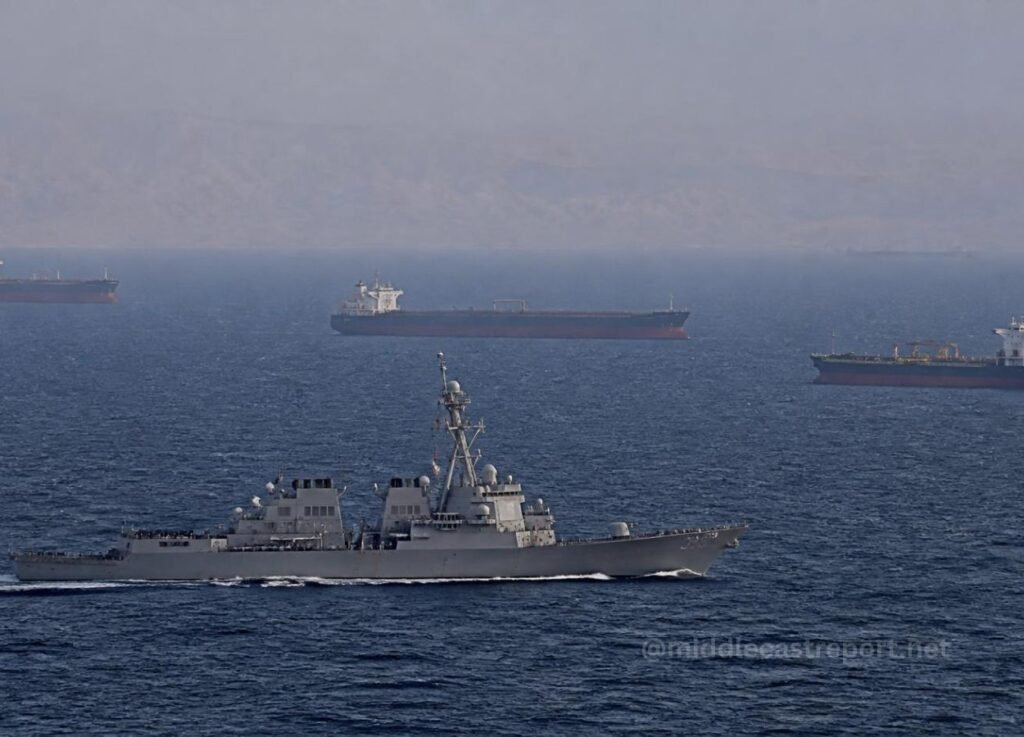
That approach has damaged Iran economically and militarily but has neither defeated the Islamic Republic nor triggered the internal uprising Trump initially called for. Administration officials reject comparisons to earlier conflicts, insisting this campaign is fundamentally different in scope and intent.
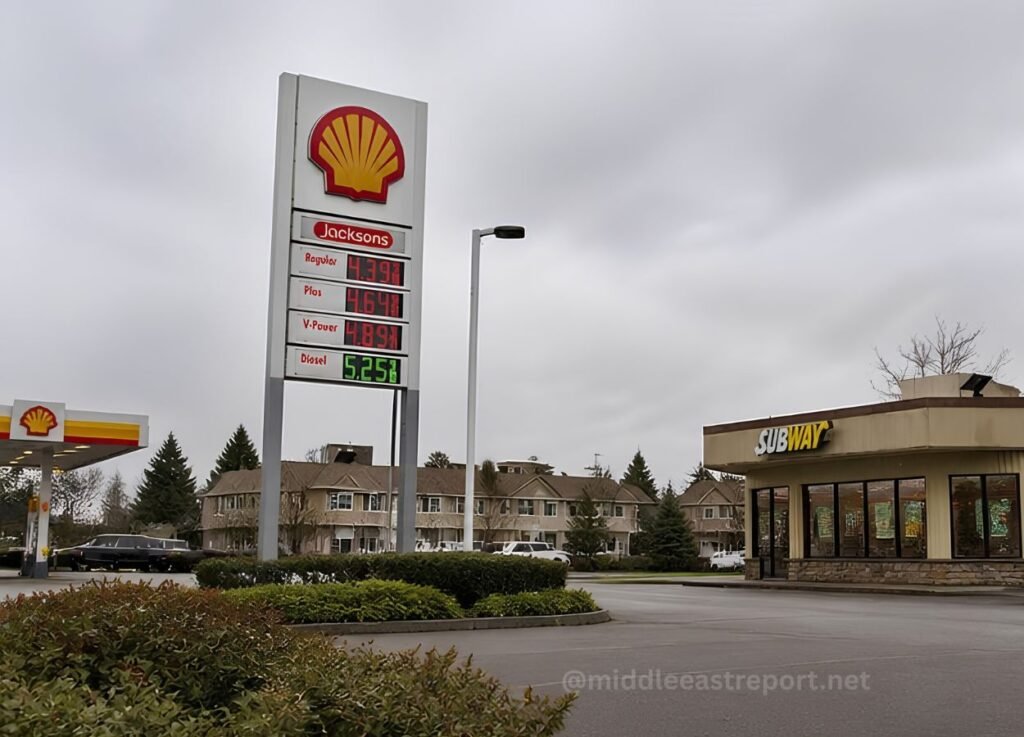
The war’s economic fallout is becoming increasingly difficult to ignore. Iran’s disruption of tanker traffic through the Strait of Hormuz has driven up US gasoline prices, feeding public frustration and dragging down Trump’s approval ratings while straining Washington’s standing internationally — echoes of the domestic political costs that followed Iraq and Afghanistan.
Analysts caution the conflict is likely to persist well beyond November’s midterm elections, when voter dissatisfaction could jeopardize Republican control of Congress.
Critics argue the administration, much like the Bush White House before it, underestimated its adversary’s staying power and its capacity to threaten roughly a fifth of global energy shipments.
White House spokeswoman Anna Kelly countered that Trump had shown the courage to confront Iran’s nuclear ambitions and had achieved his objectives, pointing to sanctions squeezing Iran’s economy. Mark Dubowitz of the Foundation for Defense of Democracies similarly rejected the “forever war” framing, arguing Trump’s approach has produced gains that will ultimately deliver a decisive outcome. Middle East Report