



Damascus Airport Redevelopment Plan Reignites Anguish Over Assad-Era Mass Graves
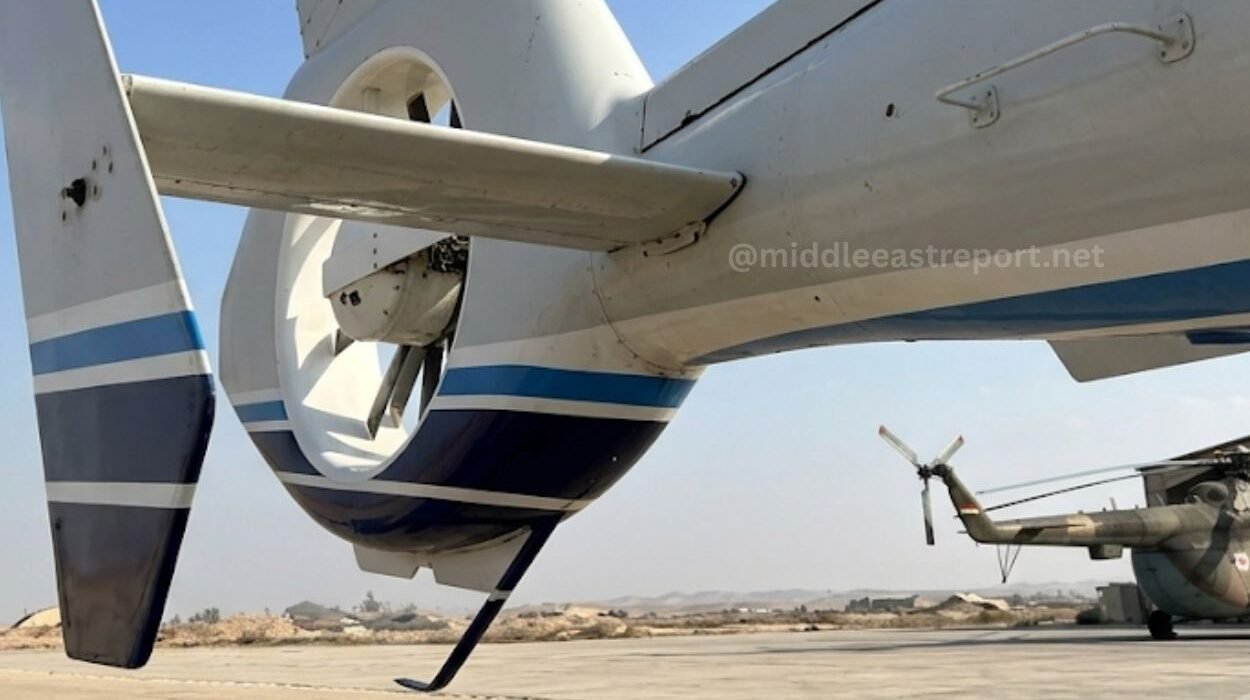
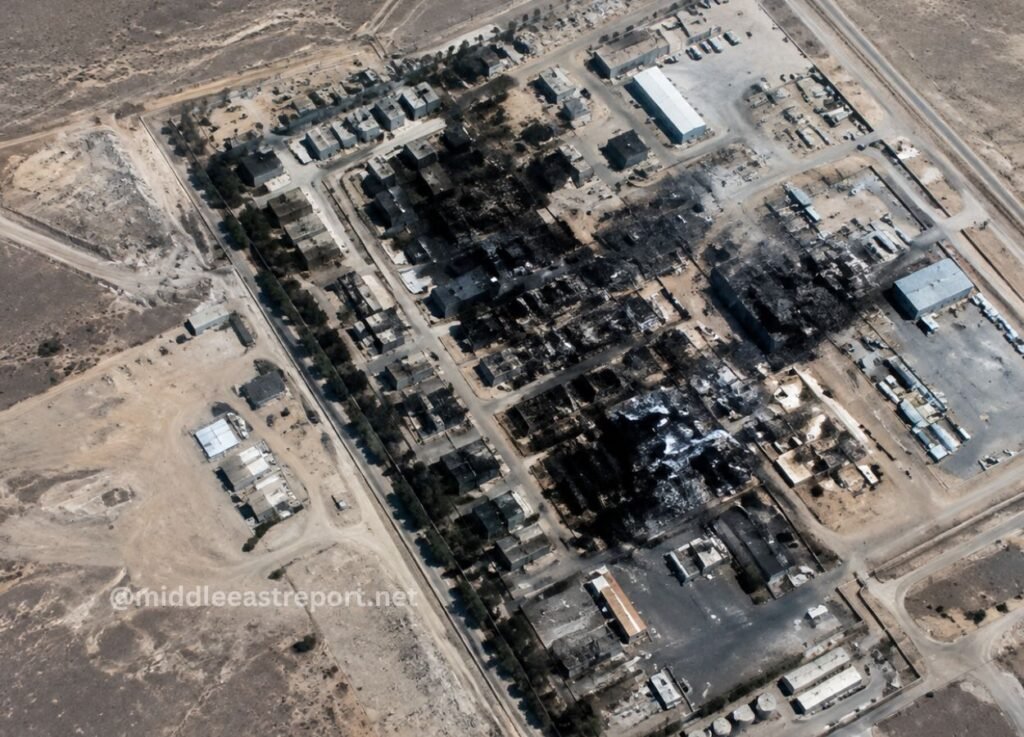
Plans to convert Damascus’s former Mezzeh military airport into a hub for private and executive jets have triggered protest from human rights groups and residents, who warn that construction could destroy suspected mass graves and trample unresolved land claims dating back decades.
Syria’s civil aviation authority announced last week that it intends to reclassify Mezzeh for limited civilian use alongside Damascus International Airport, with rubble clearance and infrastructure work already under way, according to state news agency SANA.
Officials said the redevelopment would account for the surrounding urban area and relevant legal and social concerns, but made no mention of the graves or land disputes, and it remains unclear which company will carry out the project.
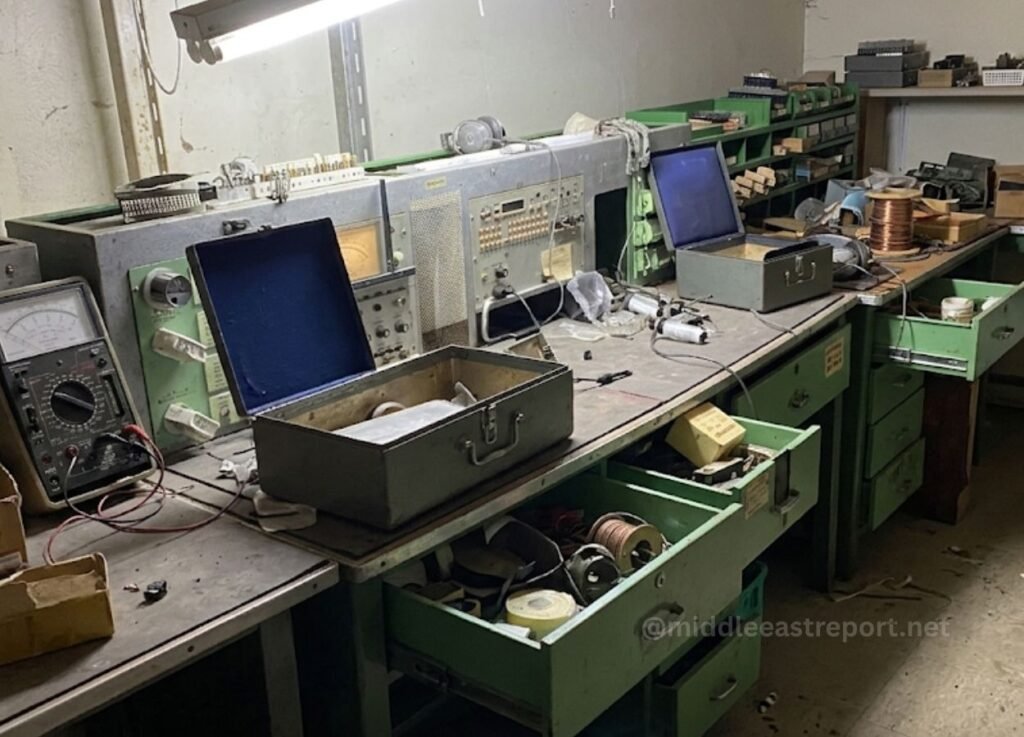
The controversy centers on newly surfaced documents from Air Force Intelligence, obtained by the Syria Justice and Accountability Centre (SJAC) and shared with Reuters, showing that senior military officials designated Mezzeh in 2012 as an execution site for detainees sentenced by military field courts — a shift proposed partly to move killings away from Sednaya prison to a more discreet, secure location.
Later correspondence reportedly discussed a firing range and a runway-side hangar as additional execution sites, with orders for a platform, rope, and strict secrecy.
A 2025 SJAC investigation identified two suspected grave sites tied to detainees who died at Mezzeh — more than 1,150 in total, according to the group, through execution, torture or mistreatment.
SJAC says it shared coordinates for both sites with Syria’s National Commission for Missing Persons in July 2025 and urged authorities to halt any construction pending investigation; the commission reportedly said at the time that no refurbishment was planned.
Separately, the land underlying the airport — spanning roughly 2.76 square kilometres — belonged to hundreds of private citizens before being expropriated, often without compensation, under Assad-era rule, according to Moadamiya municipality land records.
Rights advocates say the project tests how Syria’s post-Assad leadership balances investment ambitions against two unresolved legacies: the fate of tens of thousands of missing citizens and property rights clouded by decades of state seizure.