




Iran Warns of “Sustained Retaliation” as Houthi Strikes on Saudi Arabia Raise Regional Alarm
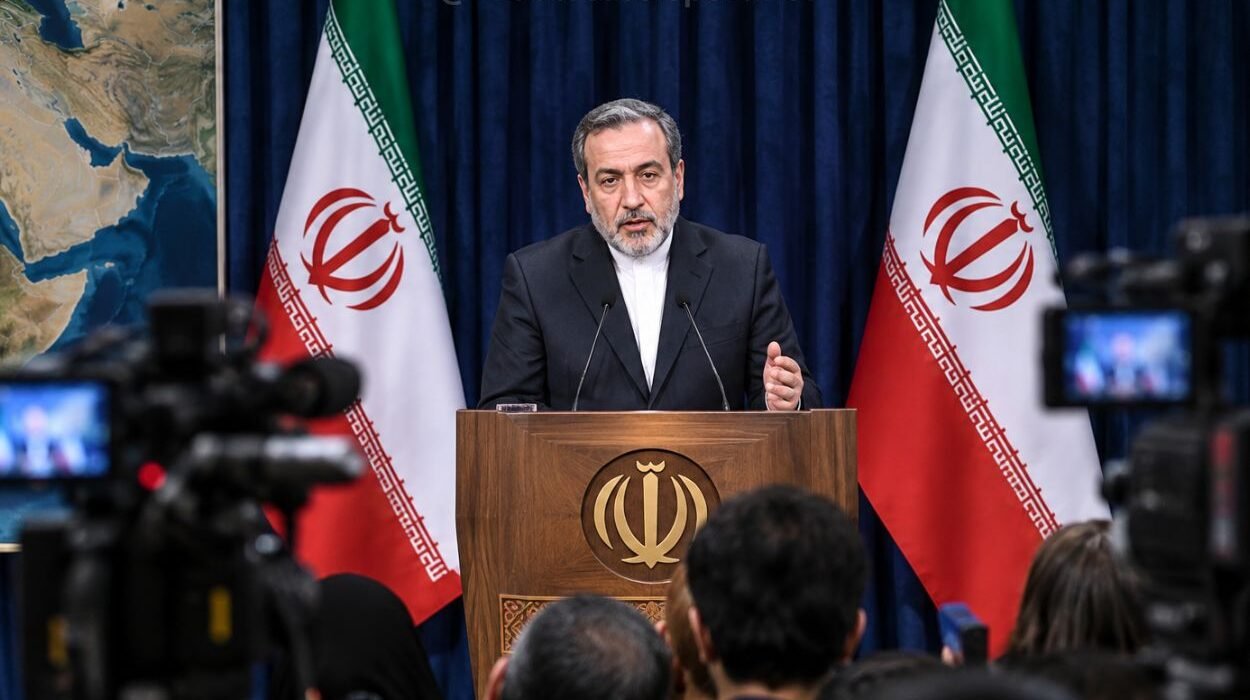
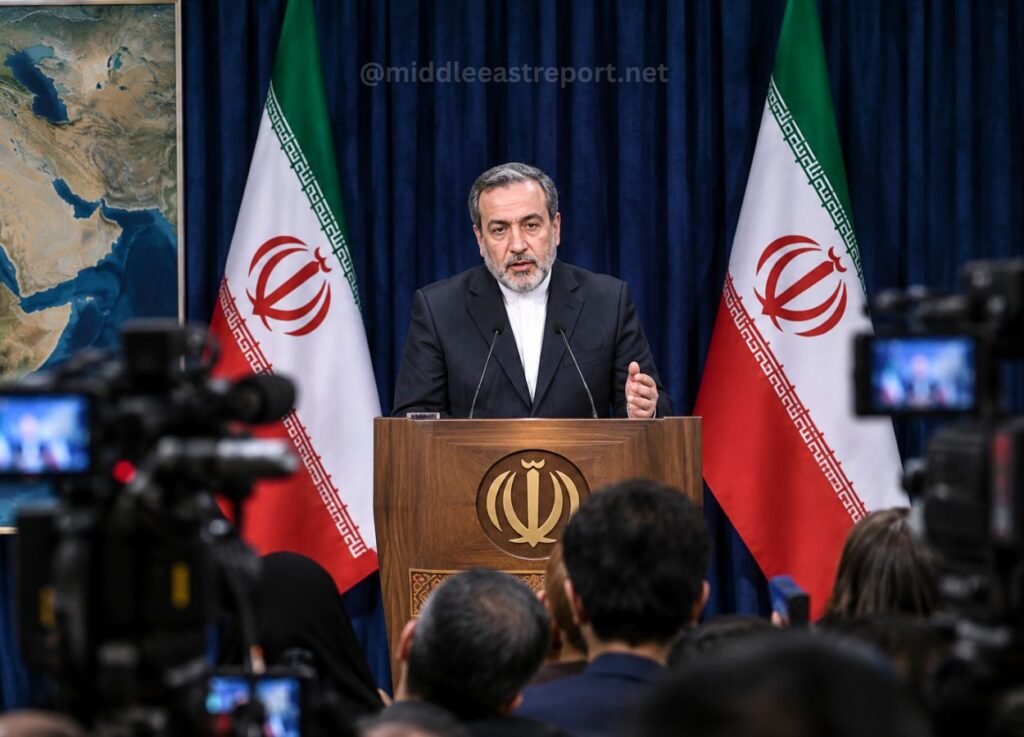
Iran warned on Sunday that it possessed intelligence pointing to a major new attack being prepared by the United States and its allies, cautioning that any such strike would trigger sustained retaliation against American bases and interests across the region. Iran Warns Sustained Retaliation
The warning, issued by Iran’s military central command via state media, did not specify the source or nature of the intelligence, but named Washington’s regional allies as parties that would themselves become targets in the conflict.
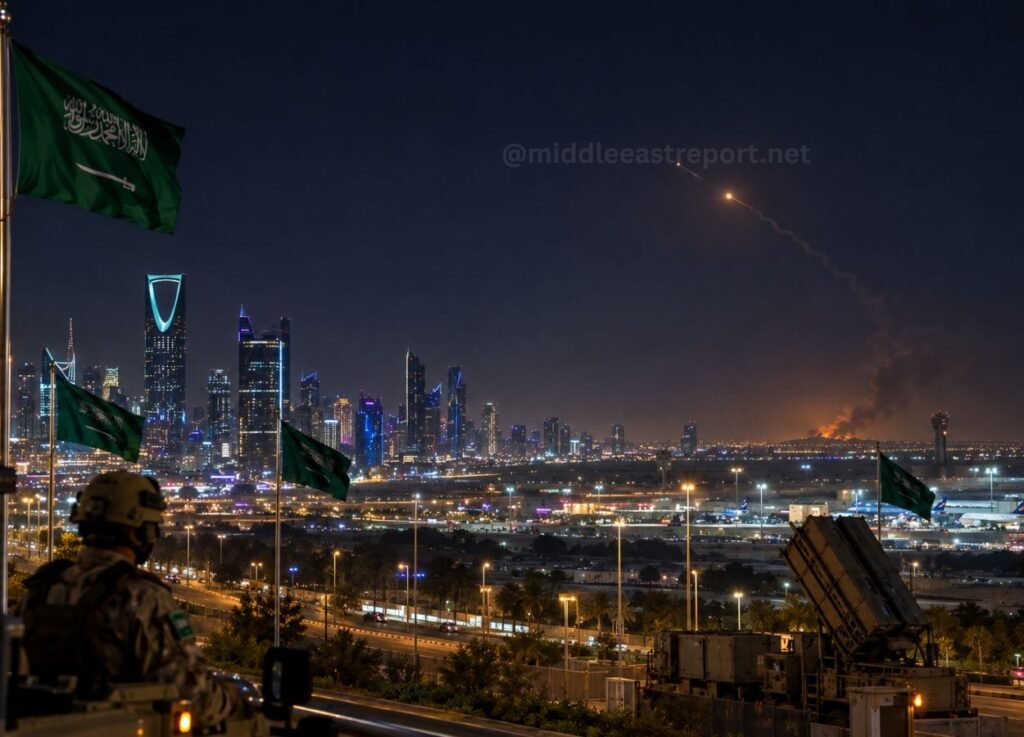
The statement was made as tensions rose after attacks over the weekend, which were blamed on Yemen’s Iran-backed Houthi movement, claiming to have attacked Riyadh and a major oil facility in the Red Sea port of Yanbu.
Reuters video showed thick black smoke rising near Riyadh’s main international airport after explosions were heard overnight. Saudi Arabia did not confirm the attack, but a Saudi-led coalition fighting the Houthis said it had intercepted other attacks.
The Houthis have gained significant ground along the Red Sea coast of Yemen since the country’s civil war ignited again this month, with reports of them seizing positions overlooking the Bab el-Mandeb Strait, which would give the group the ability to threaten shipping between Asia and the Red Sea.
In response to the mounting risk, the US State Department issued a security alert Saturday urging Americans in the Middle East to remain vigilant and prepare for possible flight cancellations and airspace closures. The Pentagon did not immediately respond to Iran’s claim of a planned attack.
The warning comes nearly seven months into the US-Iran war, with neither side showing readiness for the concessions needed to end hostilities.
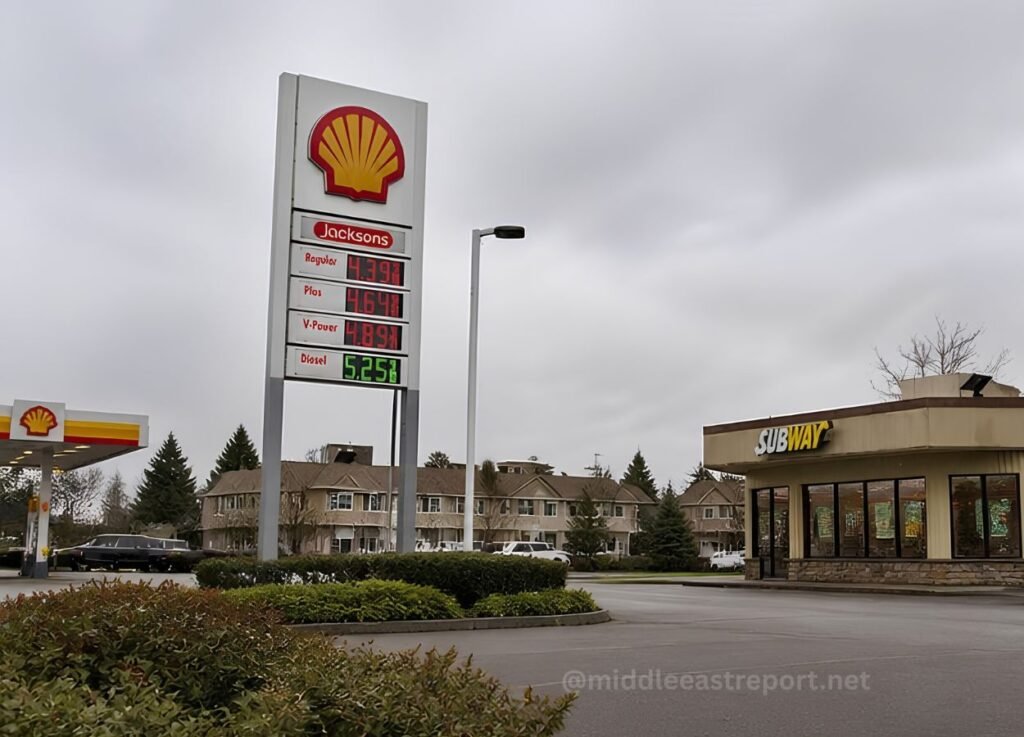
Iran’s blockade of most Strait of Hormuz shipping, combined with the Houthi threat to Bab el-Mandeb, has left Gulf oil exports almost entirely severed from global markets, driving up prices worldwide.
A US naval blockade on Iranian ports, meanwhile, continues to choke off Tehran’s own oil sales, deepening its economic strain. Iran reiterated Sunday it would not reopen Hormuz until conditions from a June ceasefire — which collapsed in July over disputed terms — are met.
Parliament Speaker Mohammad Baqer Qalibaf said Iran must continue fighting while pursuing diplomacy to consolidate its gains. Middle East Report


