




Houthis Advance on Yemen Highlands as Trump Reportedly Aborts Last-Minute Strikes
Houthi rebels made an offensive on Monday to capture strategic mountain heights in Yemen in an effort to cut Saudi-backed government forces off from the Red Sea coast, a day after reports that US President Donald Trump aborted planned American airstrikes on the group at the eleventh hour.
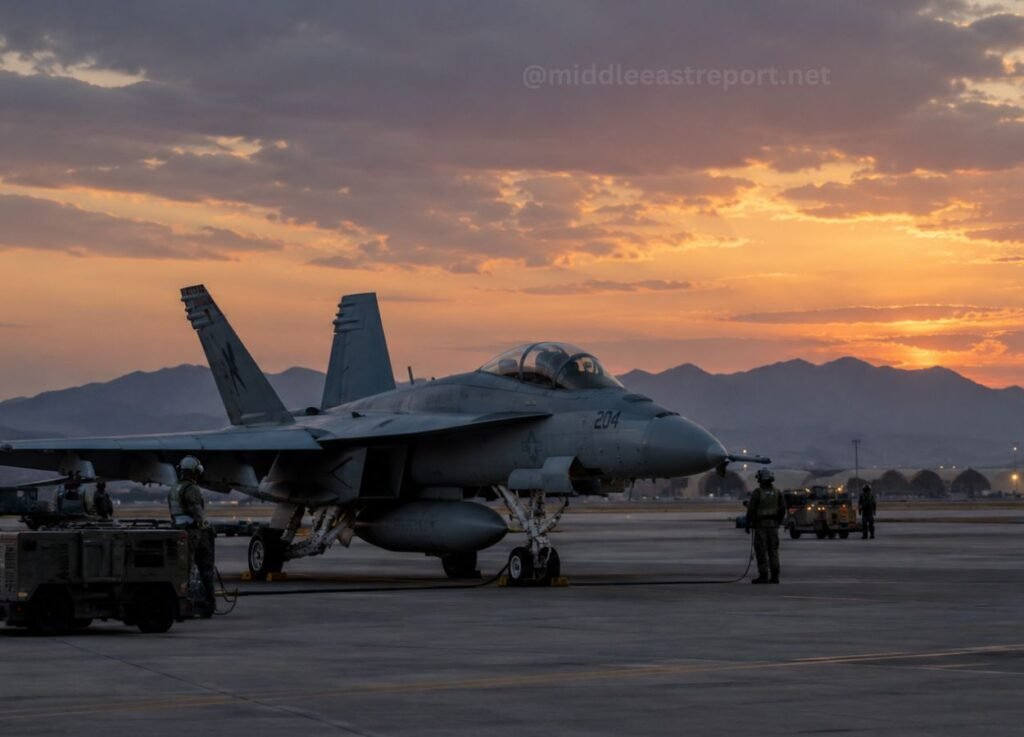
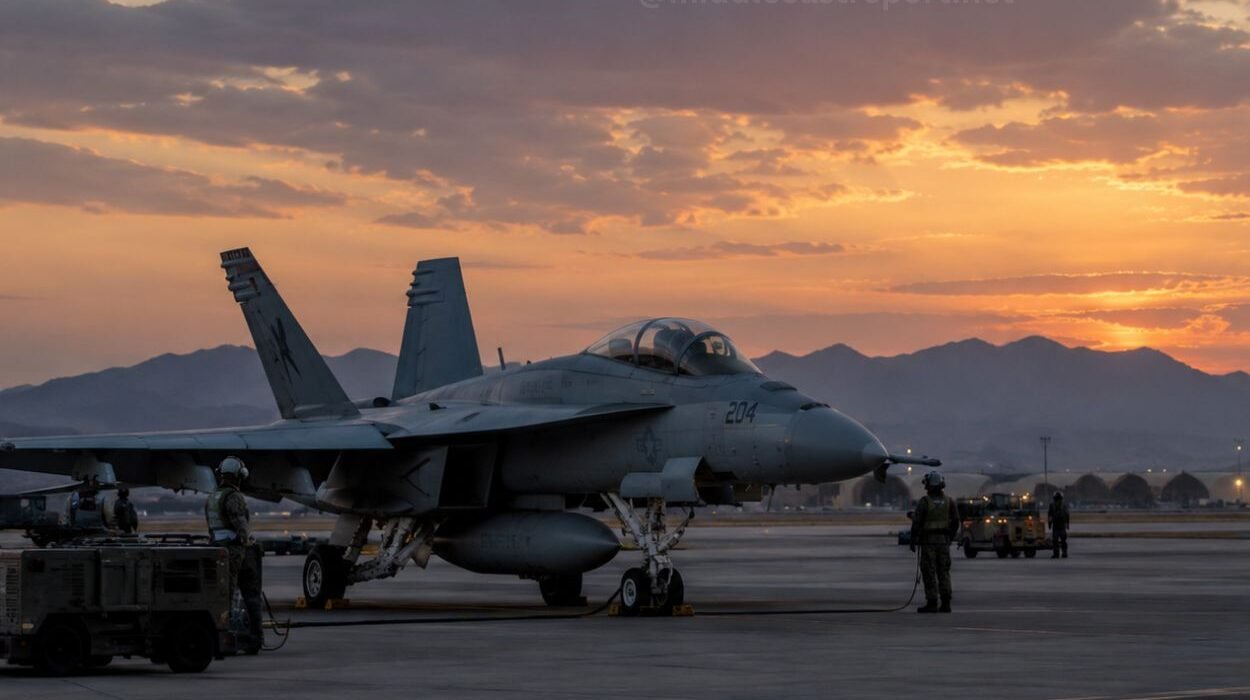
The New York Times reported that Washington had prepared strikes on Sunday after repeated calls from Saudi Crown Prince Mohammed bin Salman, but bombs were already being loaded on to aircraft when Trump called off the operation.
Reuters said it could not independently verify the account, and US Central Command referred questions to the White House. Sources told Reuters that Rashid al-Alimi, head of Yemen’s internationally recognized government based in Riyadh, appealed to Trump by phone for military support on Sunday, but the president made no direct commitment.
The Iran-backed Houthis have rapidly expanded their footprint this month, seizing Yemen’s Red Sea coastline and routing government forces after already controlling the capital, Sanaa, since 2014.
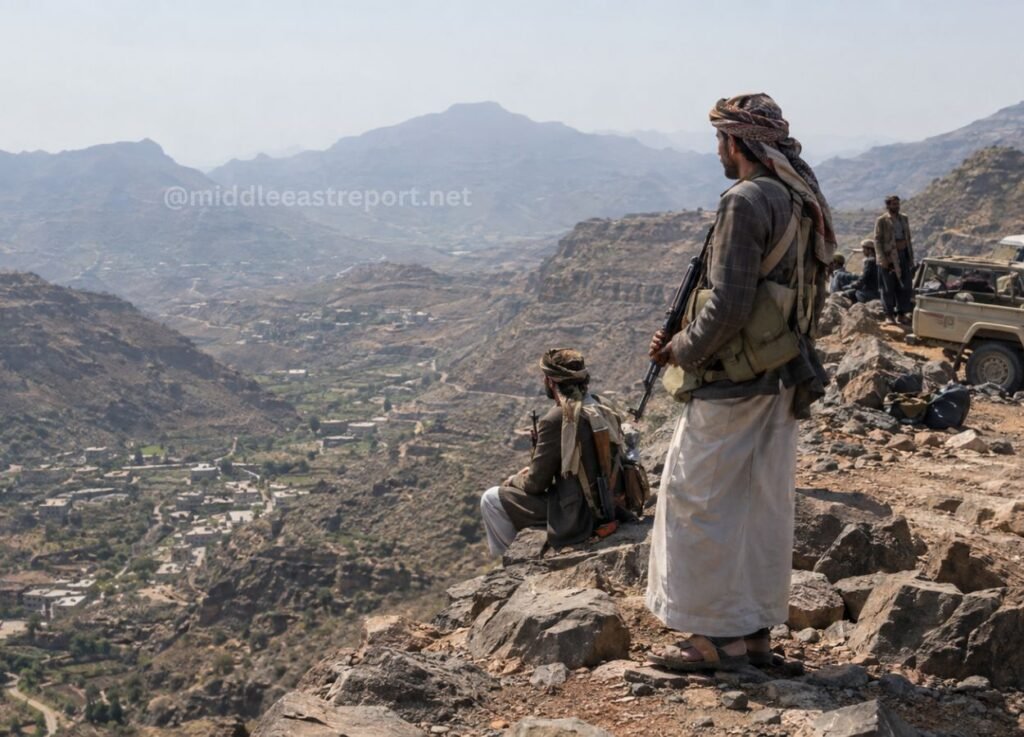
Five Yemeni military sources said the group is now targeting the Kahboub Mountains, spanning Taiz and Lahij provinces, to secure the rear of positions it captured near Dhubab and on Perim Island in the Bab al-Mandab Strait — a move that would let Houthi fighters open additional fronts against the weakened, Saudi-backed south.
Saudi Arabia has carried out hundreds of strikes against Houthi positions in the highlands, though the campaign has done little to halt the group’s momentum as government forces continue to retreat.
The conflict escalated further over the weekend when the Houthis claimed they had struck Riyadh directly for the first time, with explosions and smoke reported near the Saudi capital’s airport; Saudi authorities have not commented.
The United Nations says nearly 700 people have been killed and thousands wounded in the fighting, displacing more than 120,000 people within Yemen and sending others fleeing by boat to Africa.
The escalation places Trump in a difficult position, caught between pressure to back a key Gulf ally and reluctance to widen the unpopular war he launched against Iran in February.