


US Set to Unveil “Toughest” Sanctions Yet as Iran War Nears Six-Month Mark
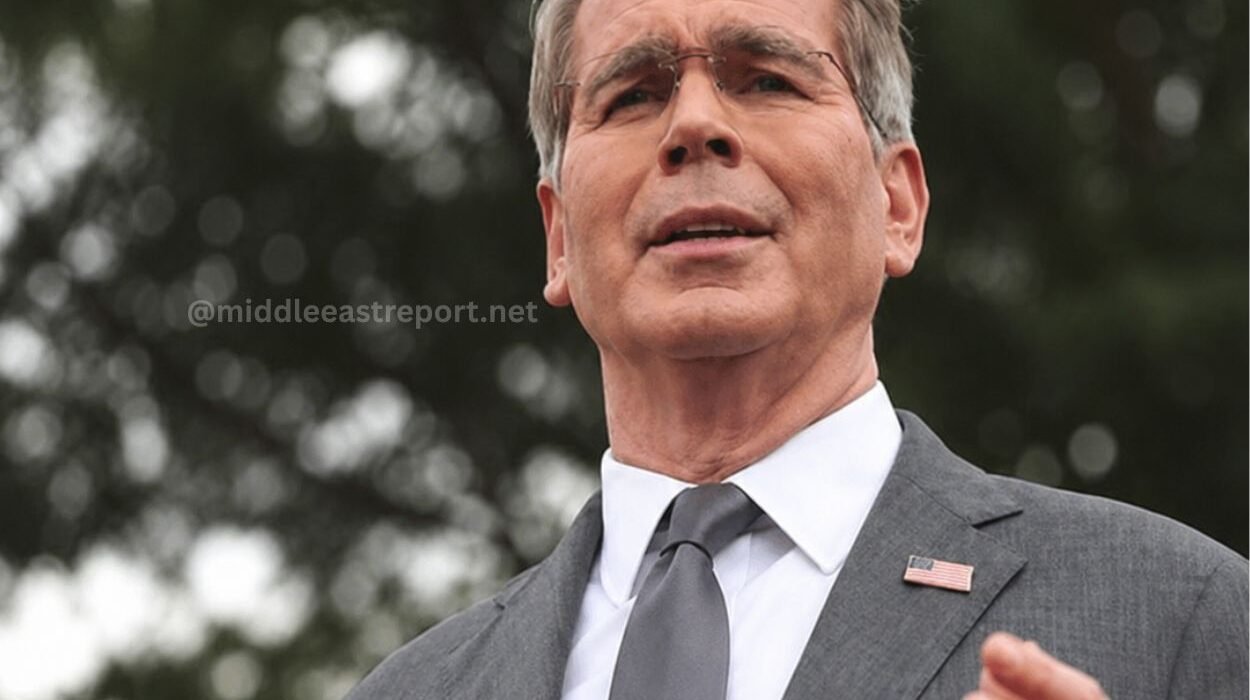
Washington and Tehran traded sharp warnings this weekend ahead of a fresh round of US economic sanctions expected Monday, a package officials say could also squeeze Iran’s largest trading partner, China.
The announcement comes as the six-month-old conflict between the two nations grinds on without active combat or any real progress toward negotiations.
US Treasury Secretary Scott Bessent is scheduled to unveil the measures at a Monday press briefing, describing them as among the harshest ever imposed on Iran while pressing Beijing to fall in line with Washington’s approach.
China purchases the overwhelming majority of Iran’s oil exports, and Chinese officials have responded by calling for a diplomatic resolution rather than further pressure.
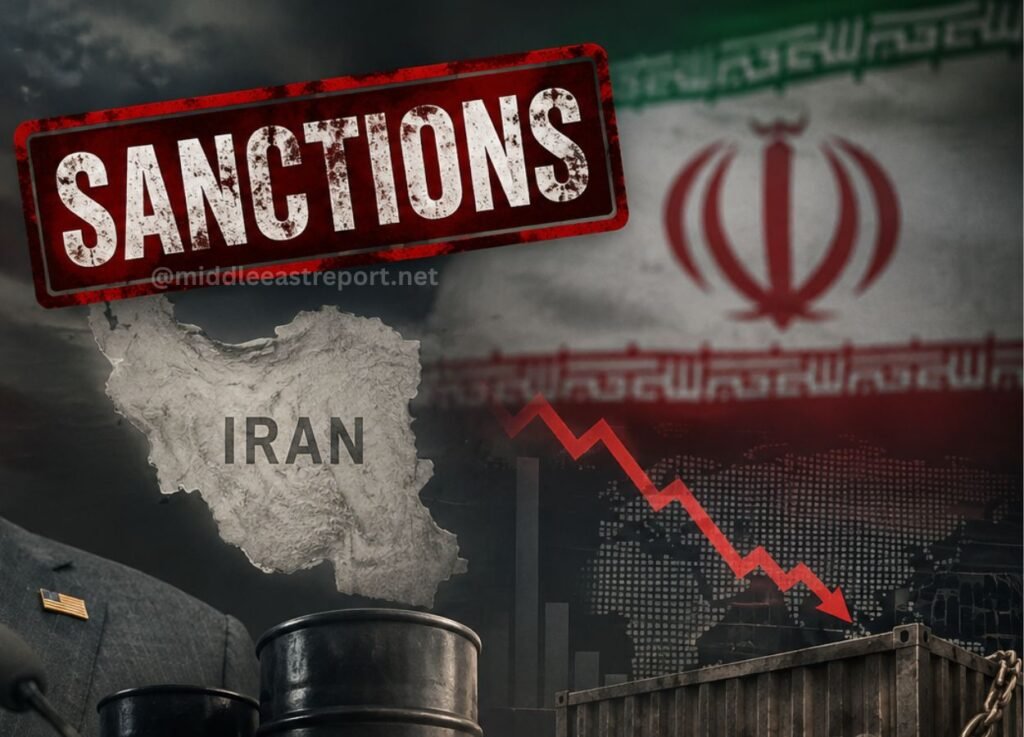
Tehran pushed back hard. Foreign Ministry spokesperson Esmaeil Baghaei characterized the looming sanctions as an overreach of American authority beyond its own borders, insisting such measures have no grounding in international law.
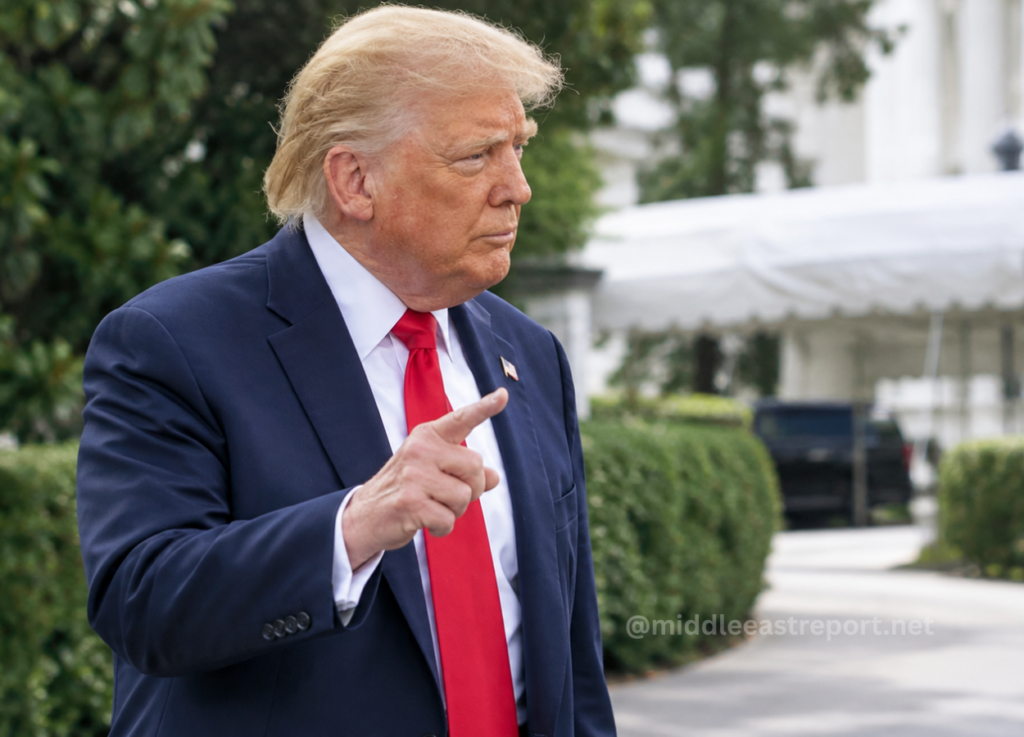
President Trump, for his part, said Washington was simply watching how the situation unfolds, suggesting Iran wants an agreement but not on terms the US considers acceptable.
The standoff has left the Strait of Hormuz nearly paralyzed. Ship-tracking data shows barely a handful of vessels passed through the waterway this past week, none of them major oil or gas carriers.
According to US Energy Secretary Chris Wright, daily crude flows through the strait have collapsed to roughly a third of pre-war levels, even with American naval escorts assisting passage.
Iran’s military has suffered heavy losses, yet officials insist its missile and drone arsenal remains capable of disrupting shipping and striking regional targets. Iran’s armed forces chief of staff vowed a forceful response to any future threats.
Still, President Masoud Pezeshkian struck a more conciliatory tone, arguing Tehran should seek an end to hostilities from a position of strength. Parliament speaker Mohammad Baqer Qalibaf went further, acknowledging that sustained economic strain — not military capability — poses the greater threat to Iran’s stability going forward.