


Turkey-Lebanon Ties Gain Momentum as Beirut Leaders Court Ankara Amid Regional Shifts
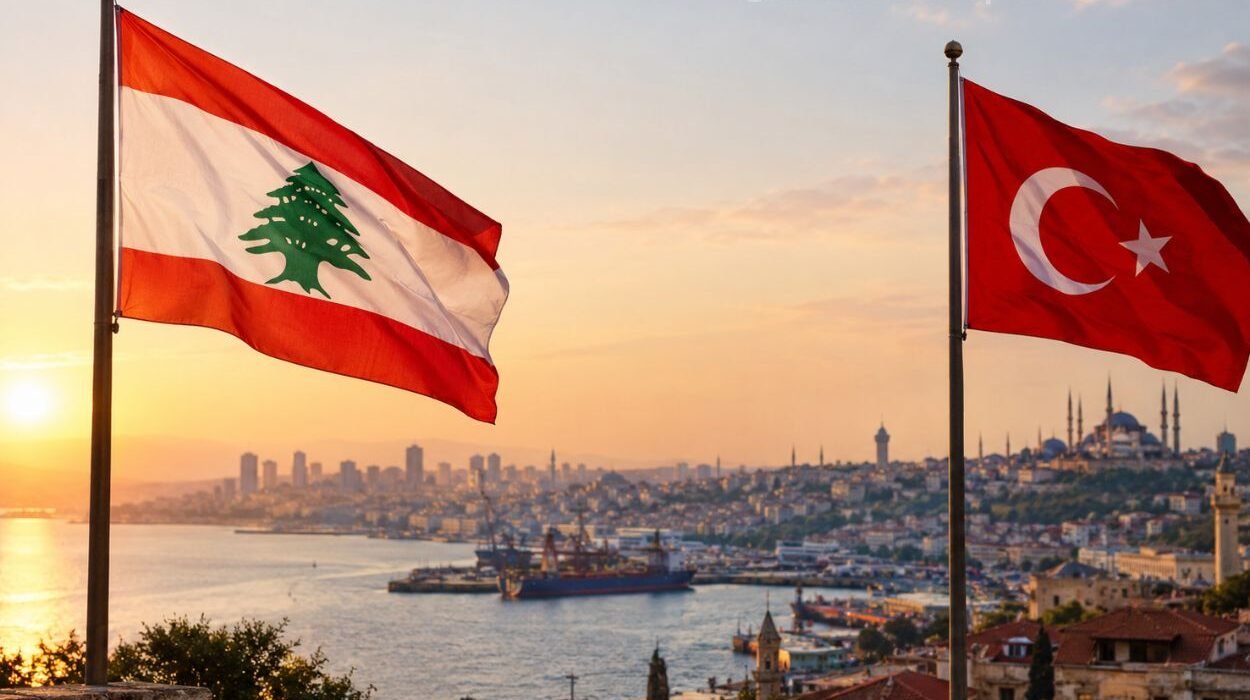
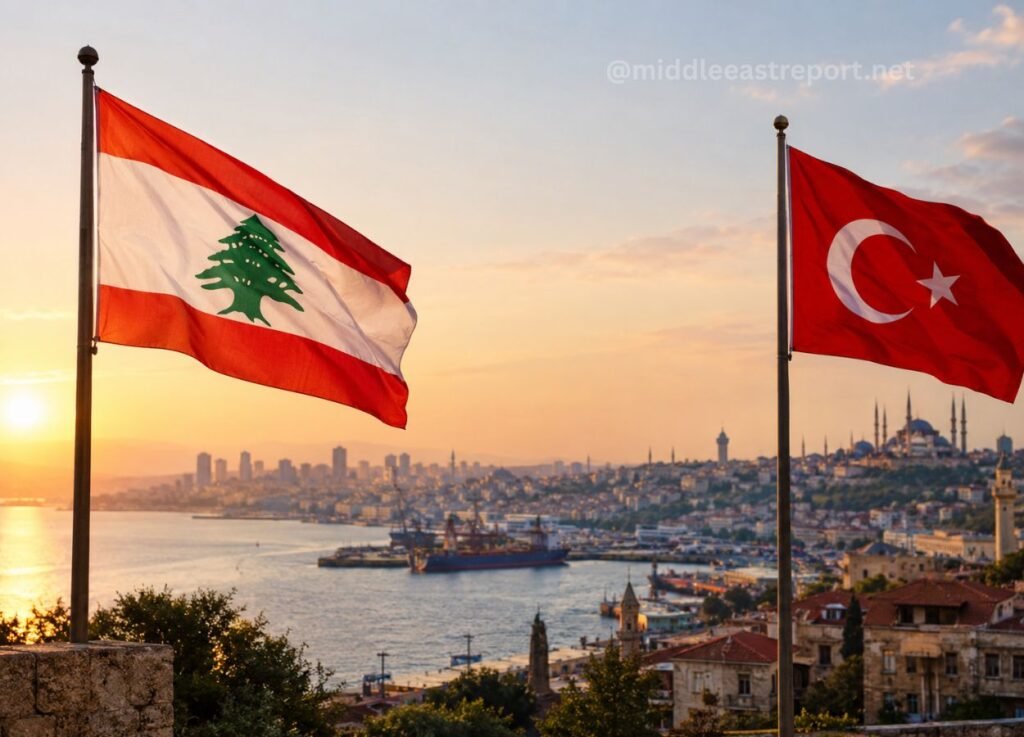
Separate visits by Lebanon’s prime minister and president to Turkey in July have opened a new chapter in Ankara-Beirut relations, an analysis published on Monday said, as Lebanon looks to turn to Turkey as a strategic partner in a time of upheaval across the region. Turkey Lebanon Ties Momentum
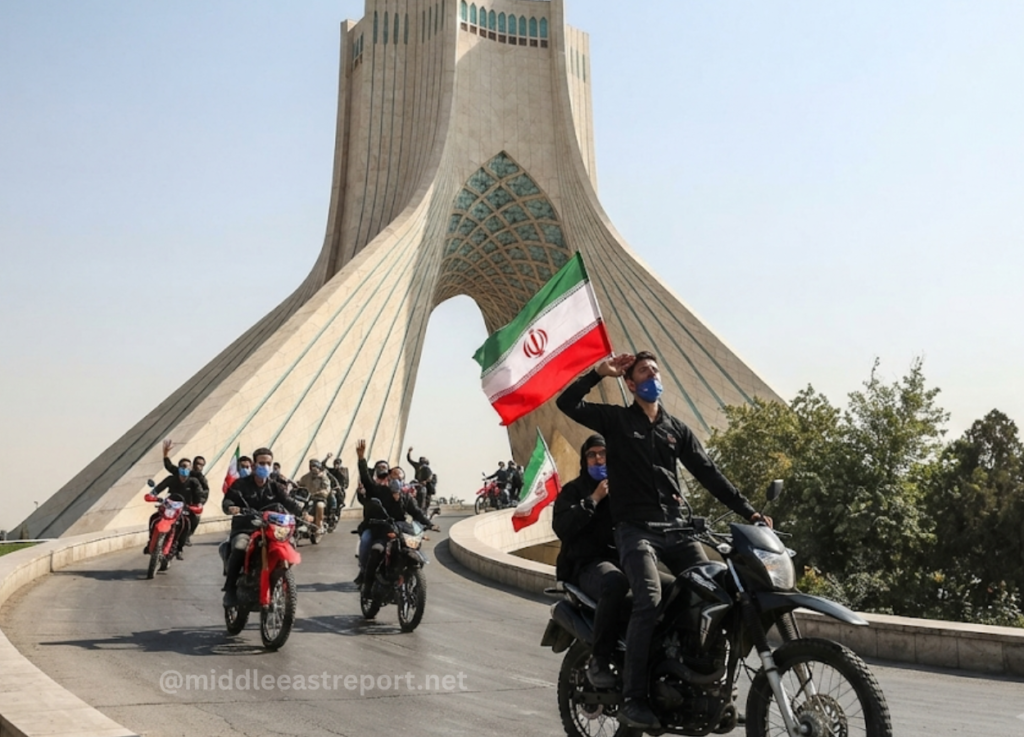
The piece, by Ankara Yıldırım Beyazıt University academic Muhammed Hüseyin Mercan, said the outreach efforts come as a response to a string of regional events since October 2023, notably the war in Gaza, the collapse of Bashar al-Assad’s government in Syria in December 2024, and the broader conflict taking on Israel and the United States against Iran.
Those shifts, the analysis contends, have weakened traditional power brokers in Lebanon, from Iran’s influence through Hezbollah to France’s historic ties with the country’s Maronite Christian community.
During his meeting with Turkish President Recep Tayyip Erdogan, Salam raised Turkey’s potential role in developing Lebanon’s infrastructure and deepening strategic cooperation, the analysis says.
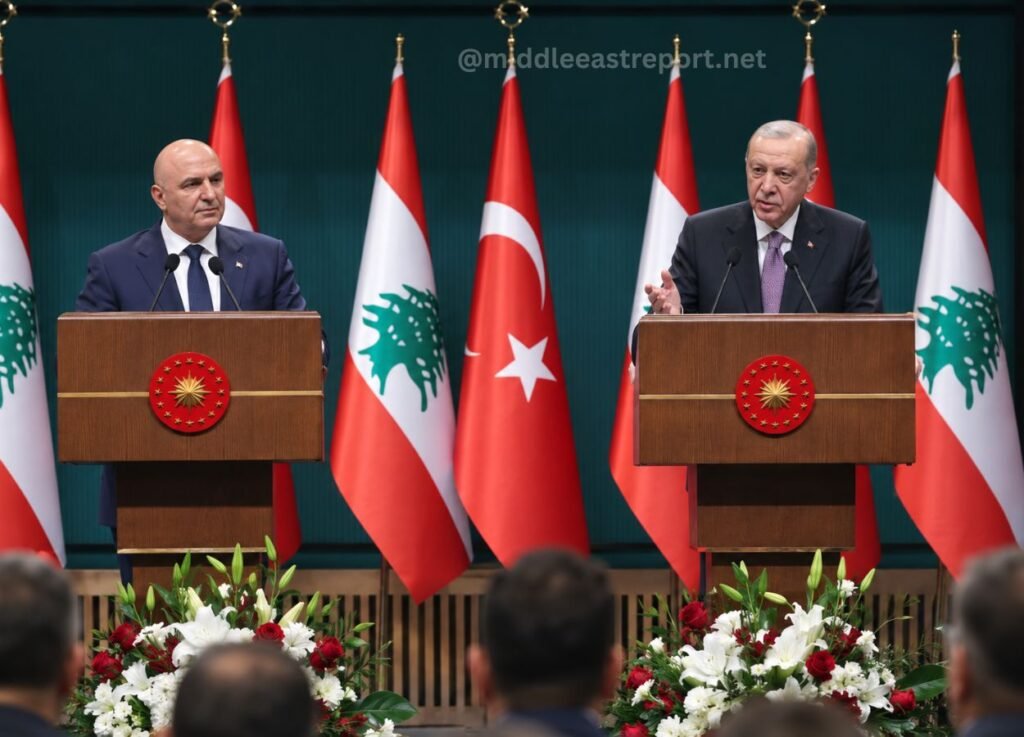
Aoun, in his own visit, described coordination with Ankara as a strategic necessity rather than a passing preference, and reportedly welcomed Turkey’s positioning against Israeli activity in the Eastern Mediterranean, including moves involving Southern Cyprus.
The analysis also points to Druze leader Walid Jumblatt’s December 2024 visit to Turkey — coming immediately after Assad’s fall — as an early signal that Lebanese factions across the political spectrum wanted Ankara more engaged in the country’s affairs.
Mercan argues that Hezbollah’s losses following its confrontation with Israel, combined with the group’s weakened leadership, have created space for new alliances, with Lebanese society increasingly viewing Turkey as a credible partner given Ankara’s parallel relationship with Syria’s post-Assad government.
He suggests Turkey, having previously kept Lebanon policy limited to avoid entanglement in its internal rivalries, now faces pressure to formalize deeper ties as Israel seeks to draw Beirut into new agreements of its own.
The analysis was originally published in Turkish by the outlet Kriter. Middle East Report