



US-Iran Talks Show Signs of Progress as Concerns Grow Over Depleted American Missile Stockpiles
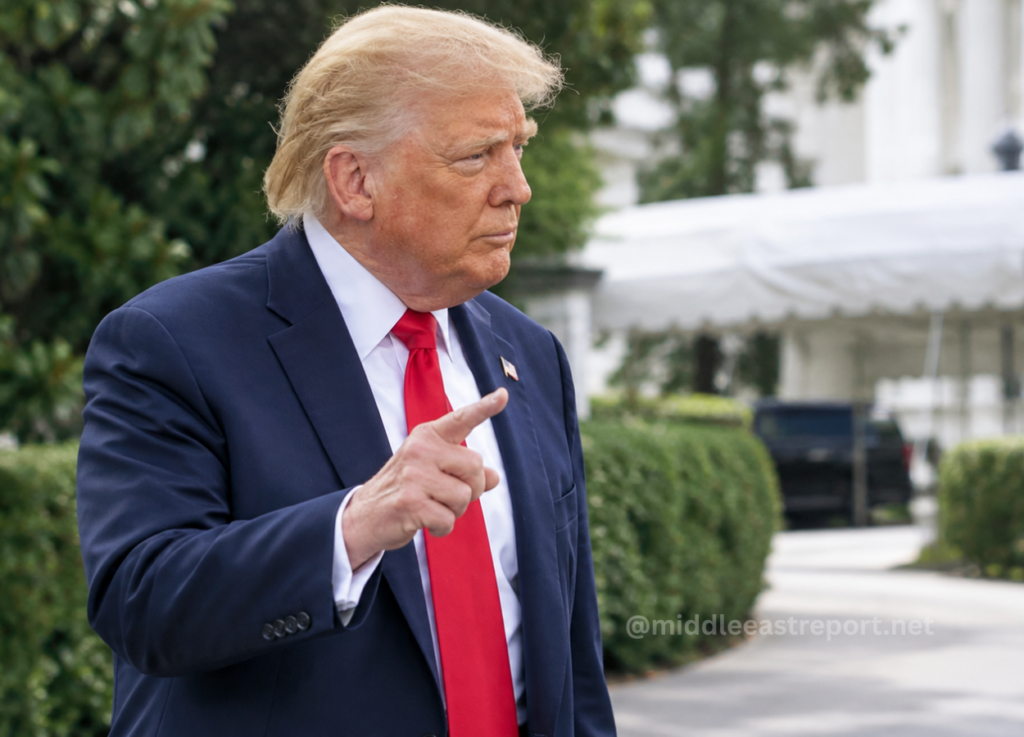
Diplomatic efforts to de-escalate the situation between the U.S. and Iran, which has been going on for months, made new progress on Tuesday. President Trump reported that he had made satisfactory progress in negotiations with the Iranian authorities, while American defense officials worried about the depletion of military stocks.
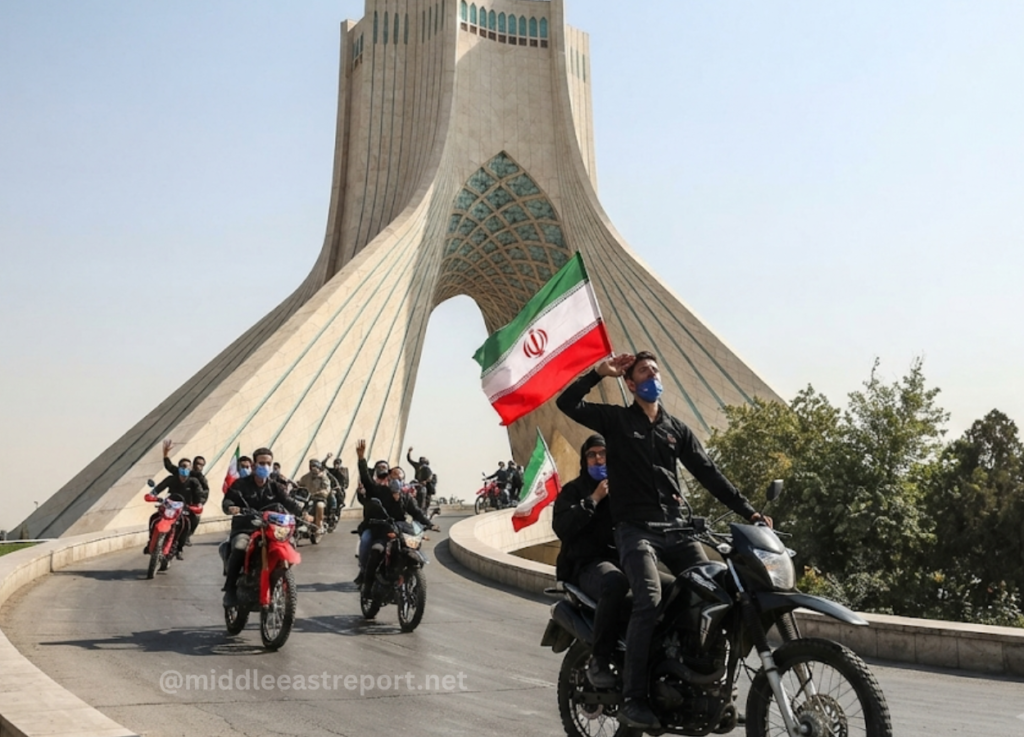
President Trump reported to the press that negotiations with Tehran were going well after a day of talks. There is reason to believe that a deal could be struck to calm the waters in the short term and reopen the strategically important Strait of Hormuz, through which much of the world’s energy supplies pass.
Meanwhile, there has been growing concern that several months of heightened military readiness in the region will have negative consequences for the global economy and security.
Officials familiar with the talks said discussions remain focused on an interim arrangement involving the United States, Iran and Oman, although several key issues have yet to be resolved. Iranian media acknowledged ongoing negotiations but indicated differences remain over the final terms.
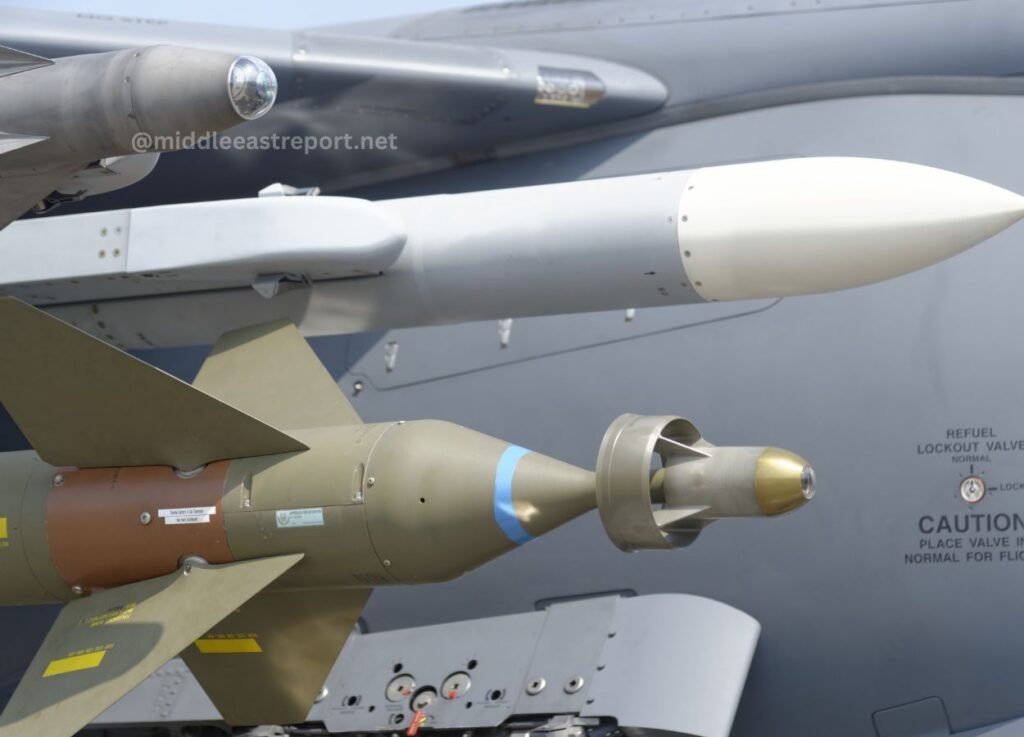
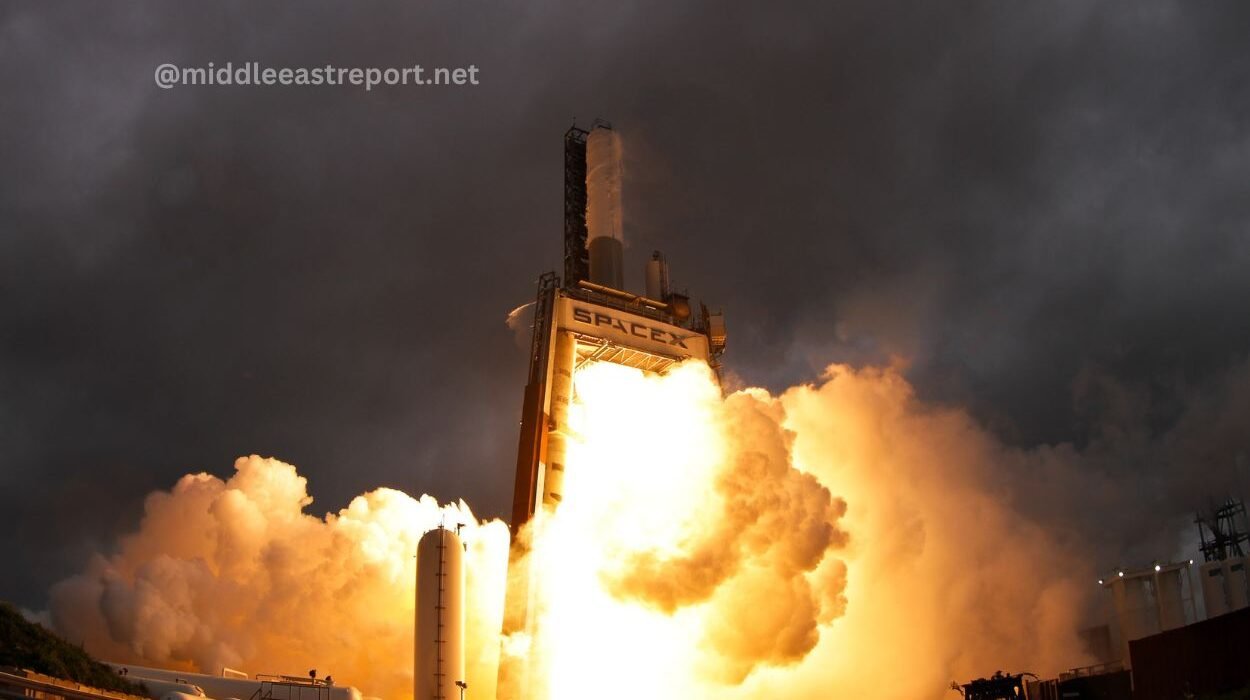
At the same time, senior US military officials have warned that the prolonged conflict has placed significant pressure on America’s missile inventory.
According to people familiar with internal assessments, stocks of key precision-guided munitions and missile defence interceptors have fallen to levels described as “dangerously low,” prompting concerns about military readiness should another major crisis emerge.
Reports indicate that nearly 80% of the US Terminal High Altitude Area Defense (THAAD) interceptor inventory has already been used during operations linked to the Iran conflict.
The depletion has reportedly forced Pentagon planners to reassess operational priorities while defence manufacturers work to increase production. US officials, however, continue to insist that American forces remain capable of responding to any immediate threat despite the reduced stockpiles.
Markets reacted positively to the diplomatic developments, with oil prices easing as investors anticipated a possible breakthrough that could restore safer commercial navigation through the Strait of Hormuz.
Even so, Washington has maintained that military options remain available if negotiations collapse, underscoring the fragile balance between diplomacy and deterrence in one of the Middle East’s most sensitive security crises.


