



US to Target Another Bank This Week as Sanctions Campaign on Iran Intensifies
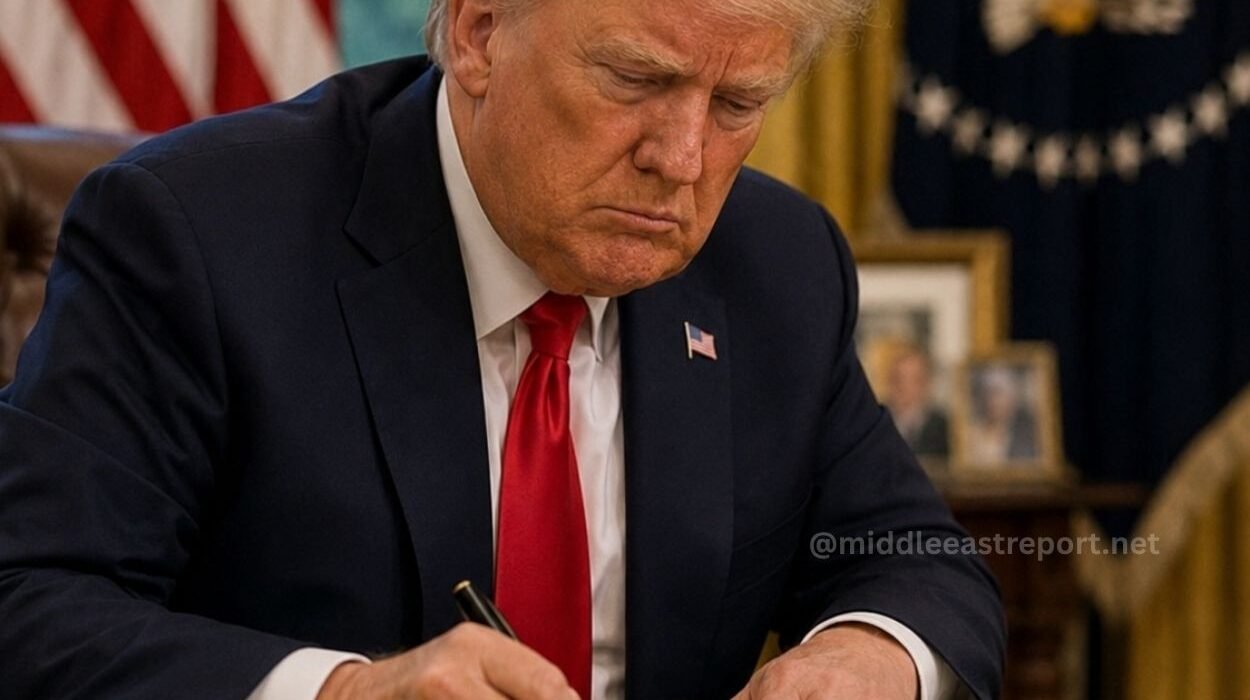
The US Treasury is preparing to sanction another financial institution within days, US Treasury Secretary Scott Bessent said, as Washington widens a campaign aimed at cutting off Tehran’s access to global finance amid stalled ceasefire negotiations.
Bessent, speaking separately to the Associated Press and Reuters on Sunday, did not name the bank in question but signalled it would not be the last.
He said further institutions could face being severed entirely from the dollar-based financial system, warning banks worldwide against holding Iranian funds or assisting the government in Tehran.
Ahead of a G20 finance leaders’ meeting he is hosting this week in Asheville, North Carolina, he said such actions would become a near-weekly occurrence.
The move follows Washington’s decision days earlier to cut Egypt’s second-largest lender, Banque Misr, off from the US financial system over alleged dealings with Iran, and last week’s sanctioning of nearly 60 individuals and entities accused of helping Tehran generate oil revenue, acquire weapons or run cyber operations.
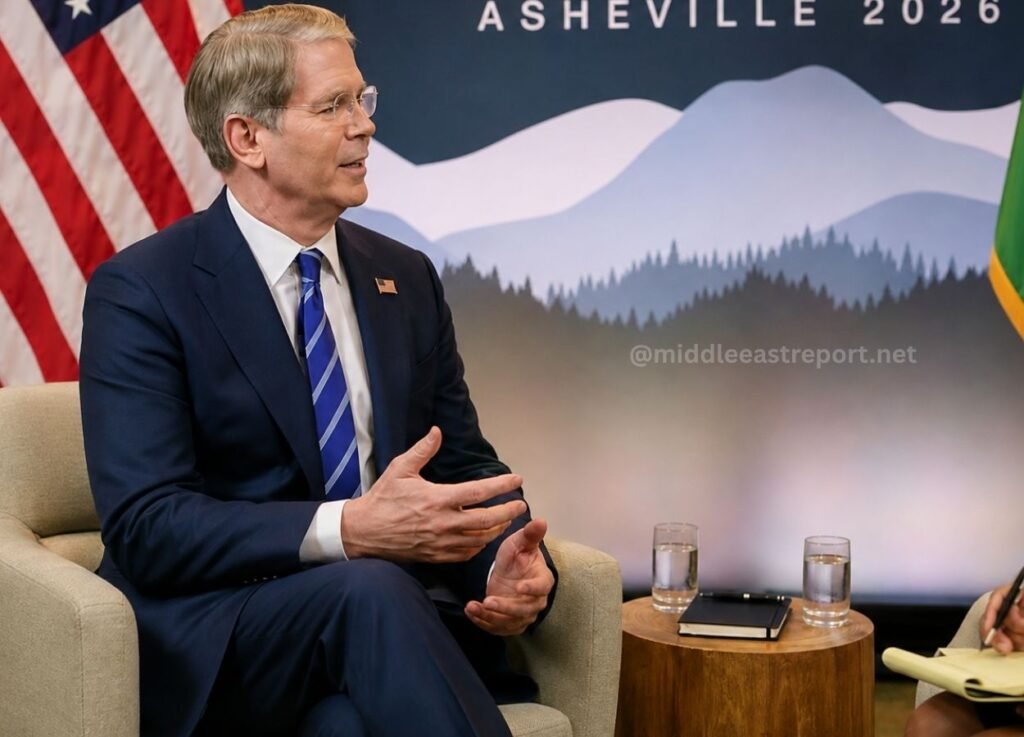
The broader effort, which US officials have branded “Operation Economic Outcast,” is designed to pressure Iran into accepting Washington’s terms after truce talks stalled.
Tehran has dismissed the sanctions as ineffective. Iran’s Minister of Finance and Economic Affairs, Ali Madanizadeh, said the measures would not achieve their intended effect.
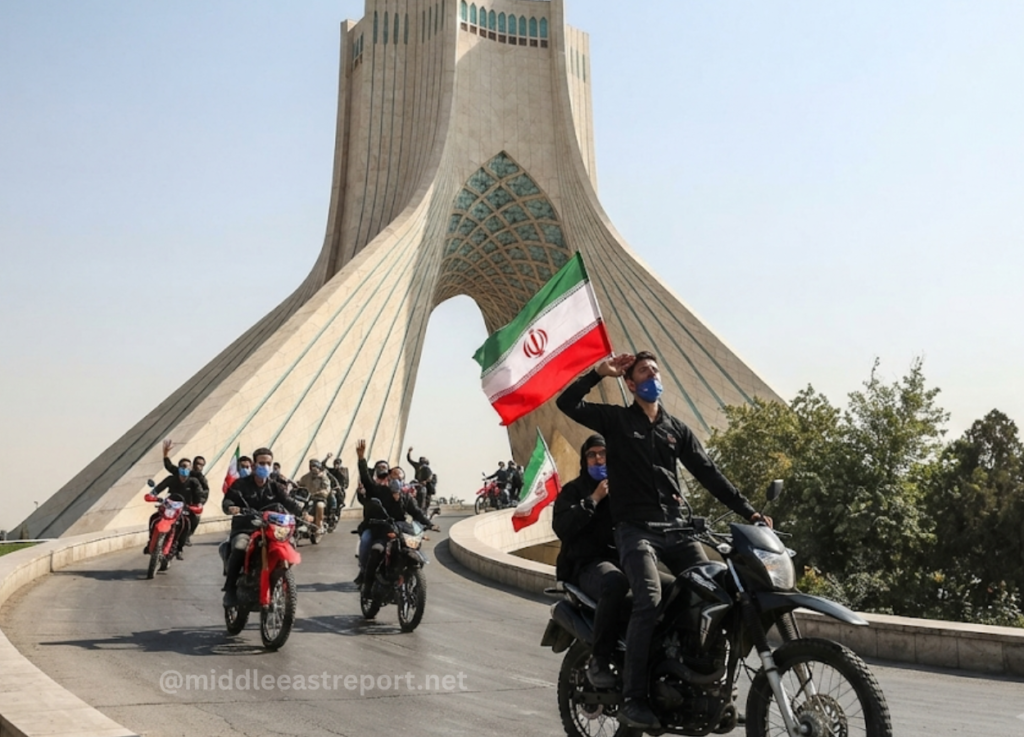
The economic pressure campaign comes as fighting flared again after a five-week lull. Iran struck two US military bases in Jordan on Sunday, hours after a US attack on Iran’s Larak Island in the south of the country — the first exchange of fire since late July.
Bessent also said he intends to raise Beijing’s continued oil trade with Iran during his talks with Chinese counterparts at the G20 gathering, adding that all options, including sanctions on China, remain under consideration.
He pushed back on suggestions that Washington was hesitant to confront Beijing directly, while noting that both governments share an interest in reopening the Strait of Hormuz and preventing Iran from acquiring nuclear weapons.