



Airstrikes Escalate as US and Iran Exchange Attacks Across Middle East Outposts
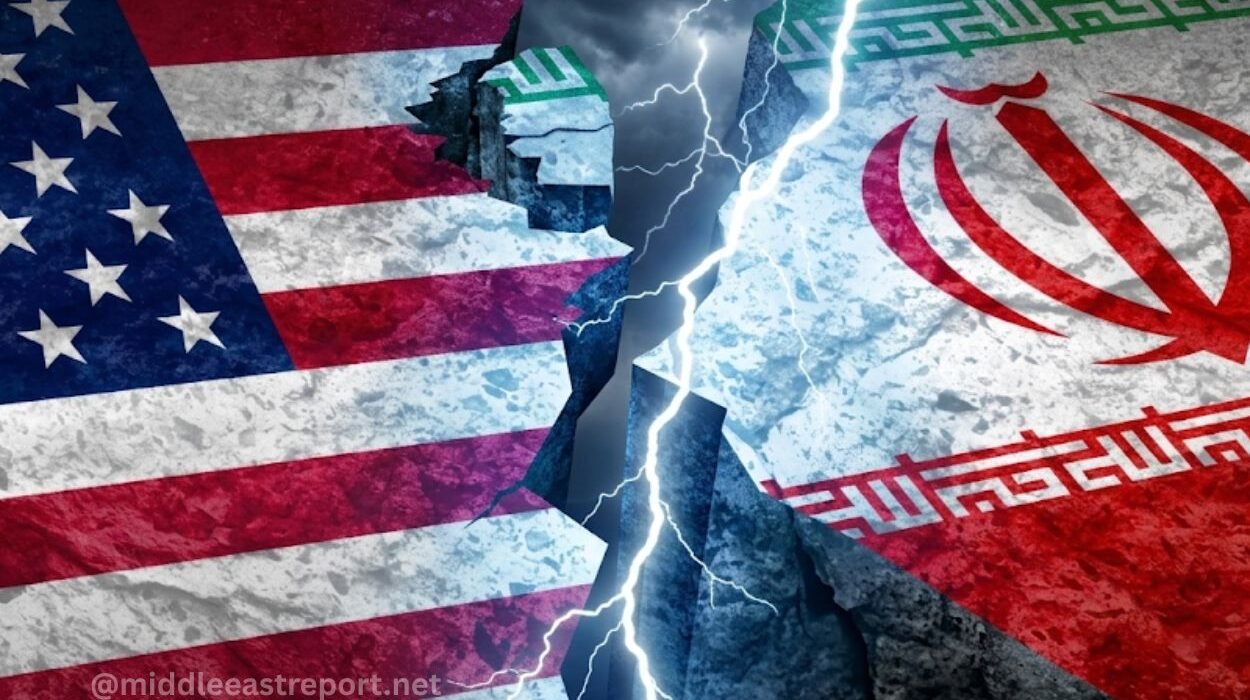
A new round of attacks between American troops and Iranian militant groups escalated renewed fighting in the Middle East, thwarting recent attempts by officials to resume the truce.
American forces launched military strikes against Iran-backed security groups after Islamic Revolutionary Guard Corps (IRGC) imposed restricted trade rules and restricted the free flow of ships in the Strait of Hormuz and threatened American interests.
In response, the IRGC bombed strategically crucial positions held by the Americans, including numerous Jordanian planes guarding against a potential attack, bases in Jordan, Iraq, Kuwait, and Bahrain.
The Jordanian authorities intercepted several ballistic missiles aimed at the US military base in Khan Younis, which borders the Gulf of Aqaba. US Forces said there were no casualties as the attack began.
Other missile batteries had to take action to intercept and destroy incoming bombs aimed at American troops stationed inside the country. The Iraqi, Bahraini, and Kuwaiti authorities reported that their planes were fired at while engaging in surveillance activities.
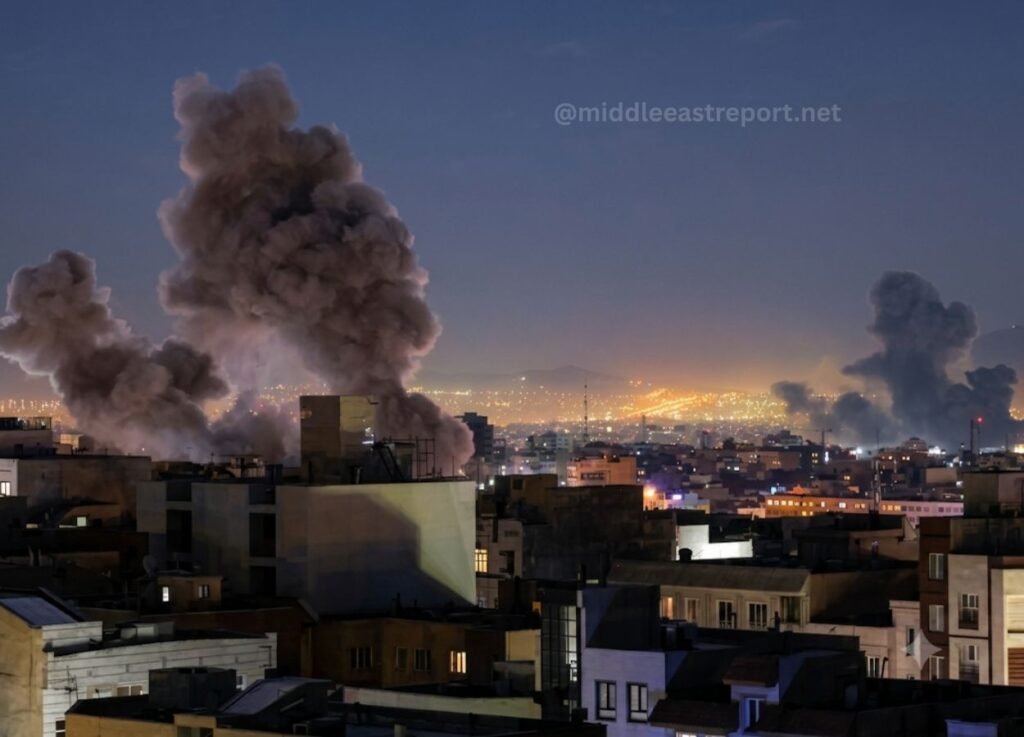
Civilian casualties in Kuhestak, a coastal city located along southern Iran, were also reported. The Iranian media declared that civilians had been injured as the shrapnel from American bombs hit the ground. The Americans responded by claiming that they only attacked military sites.
The sudden military escalation threatens critical global economic corridors. Iranian authorities warned they would halt foreign oil transport through the Persian Gulf should Washington enforce further economic blockades or trade restrictions.
These threats follow effective blockades along the Strait of Hormuz, driving immediate spikes in global crude oil prices and heightening fears of sustained supply disruptions.
Despite an earlier memorandum of understanding signed in June aimed at curtailing active combat, negotiations over broader strategic terms lapsed without consensus.
Iranian leadership indicated a willingness to halt military actions provided Washington abides by previous agreements. However, harsh rhetoric from Washington and warnings of deeper sanctions suggest both parties remain locked in a military and economic deadlock, elevating risks of a wider regional confrontation. Middle East Report