


Trump Demands Tehran Pay Reparations for US Casualties and Regional Historic Atrocities
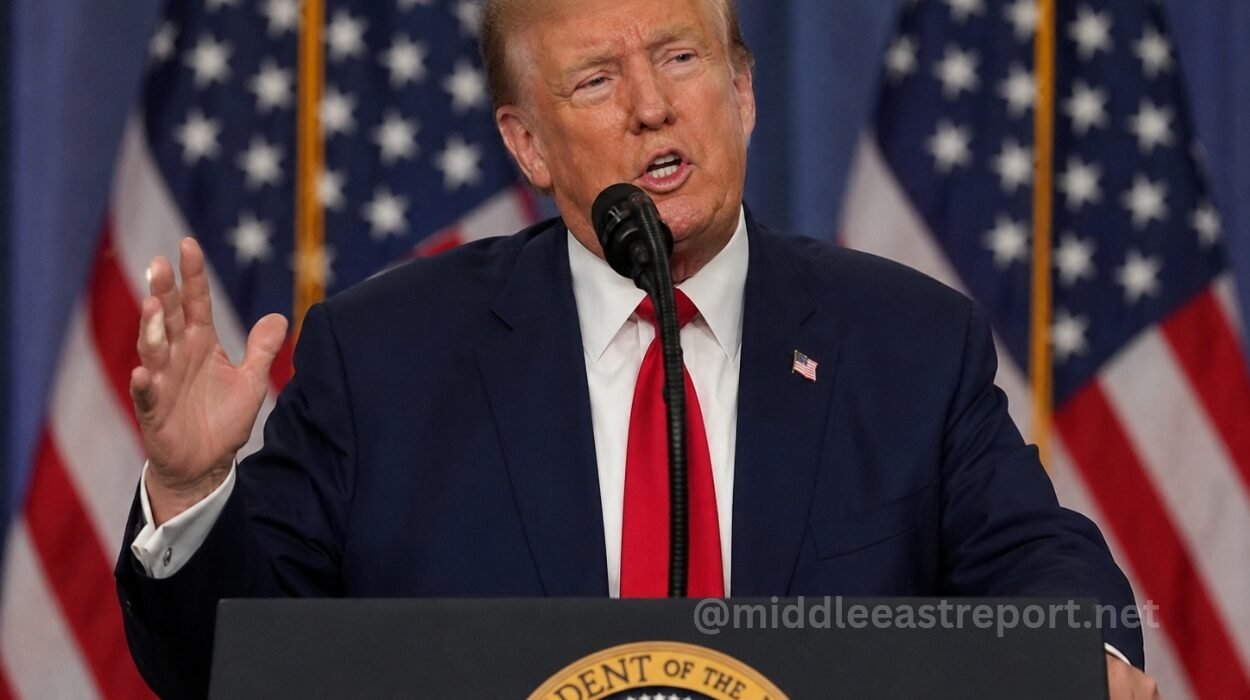
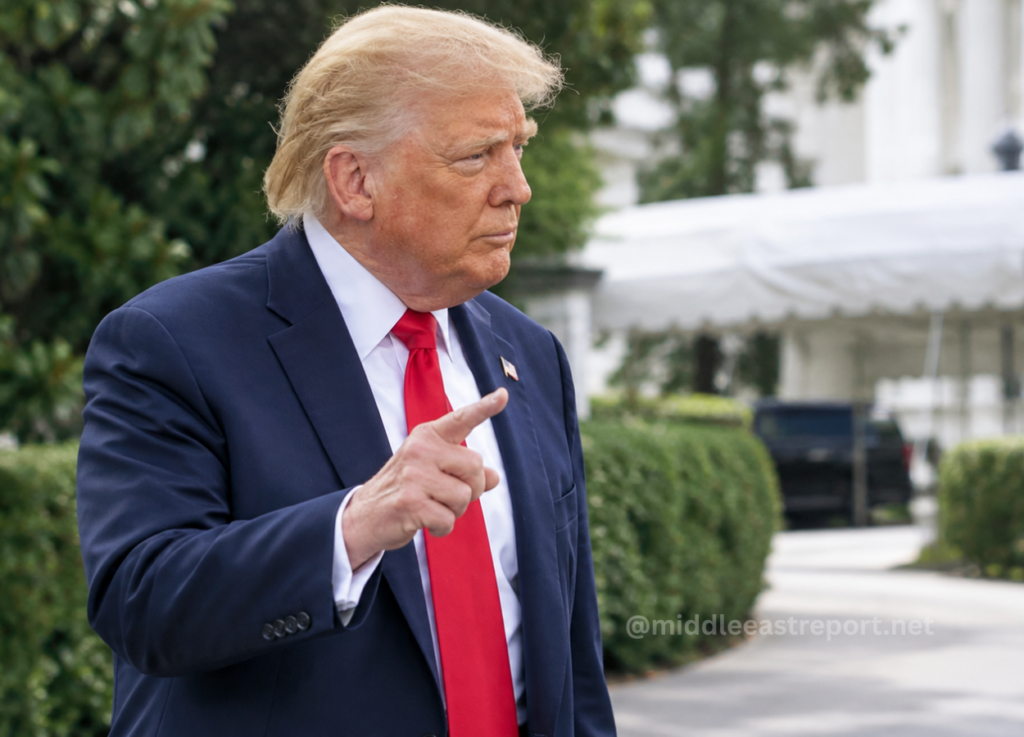
WASHINGTON — United States President Donald Trump has issued an abrupt demand for financial compensation from Iran, turning Tehran’s own restitution requests back on the Islamic Republic and threatening to stall fragile diplomatic efforts aimed at resolving the five-month regional conflict and reopening the critical Strait of Hormuz.
The policy pivot unfolded through statements published on social media, where the American chief executive announced that future peace discussions must incorporate restitution for Western military personnel and civilians killed or injured by Iranian-backed actions over preceding decades.
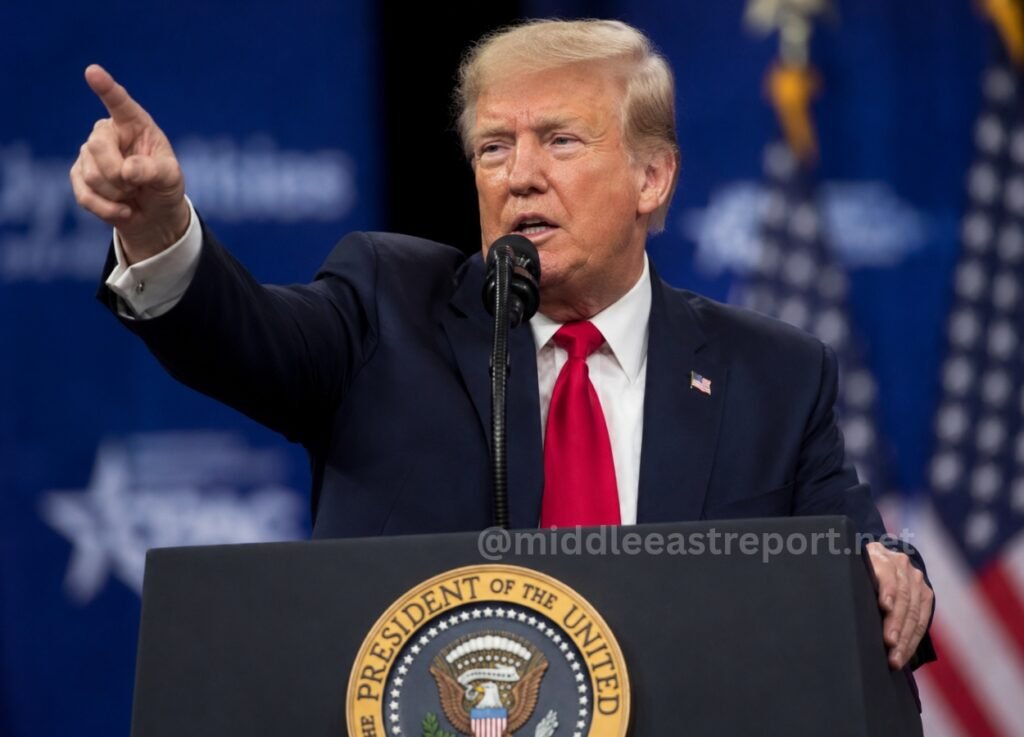
The directive directly counters conditions set by Iranian officials, who had sought billions in war damages and an immediate lifting of naval blockades resulting from military hostilities that began on February 28.
Washington’s revised stance targets alleged Iranian culpability spanning numerous historic events. President Trump specified that financial compensation should extend to victims of roadside explosive devices and combat operations overseen by figures like former commander Qasem Soleimani.
His list of demands surprisingly cited the October 2000 attack on the naval destroyer USS Cole in Yemen—an operation historically attributed to al-Qaeda—alongside reparations for casualties across Syria, Gaza, Lebanon, and Yemen, plus domestic political dissidents targeted in internal government crackdowns.
The unexpected diplomatic ultimatum introduces substantial friction into talks brokered via regional intermediaries. Prior to the statement, negotiators from both sides had reportedly neared preliminary agreements regarding maritime transit lanes along the Oman-Iran corridor.
Energy markets reacted swiftly to the rising diplomatic uncertainty, with international oil prices surging over four percent amid fears that prolonged gridlock over the strategic waterway will sustain global supply disruptions and heightened inflation risks across middle eastern trade hubs.