






Syria Sentences Bashar Al Assad to Death in Absentia Over Civil War Crimes

A Syrian court sentenced the former president Bashar Al-Assad to death in absentia for his role in the crimes during the country’s nearly 14-year-long civil war. The verdict has become the first-ever criminal conviction of the Syrian leader since his regime was overthrown in the country last December.T
he Damascus court sentenced Bashar al-Assad to death for premeditated murder, torture, unlawful detention, and crimes against humanity, including children’s killings. In addition, the ex-security chief Atef Najib was sentenced also to death.
The former president was not present at the court. He escaped from Syria after rebels seized the capital city of Damascus in December 2024, thus officially ending the 55-year-long Assad dynasty. The dictator is currently in Russia, where he was given political asylum.
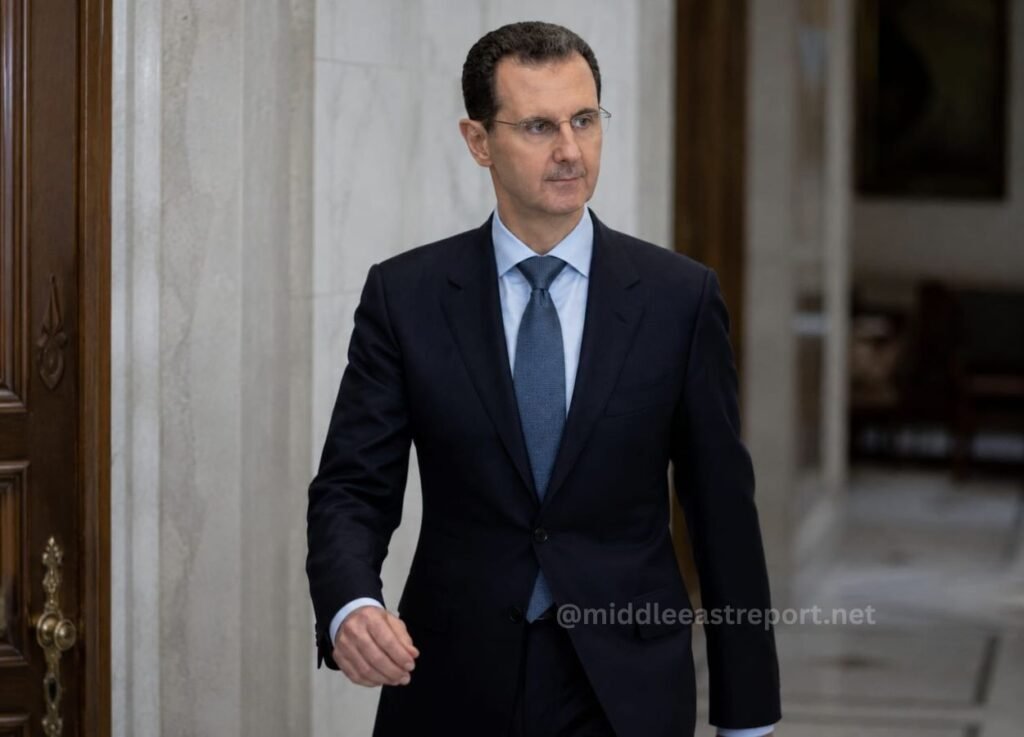
The ruling represents a major development in Syria’s efforts to pursue accountability for abuses committed during the conflict. The civil war began after security forces violently suppressed pro-democracy demonstrations in 2011 and later developed into a complex conflict involving Syrian, regional and international forces.
The war caused widespread destruction and the deaths of hundreds of thousands of people. Allegations against the former government included killings, torture, arbitrary arrests and other serious abuses. Al Assad became president in 2000 following the death of his father, Hafez Al Assad, who had ruled Syria for nearly three decades.
Bashar Al Assad initially presented himself as a possible reformer, but his government responded to the 2011 uprising with a severe security crackdown. The sentencing also places pressure on Russia over whether Al Assad could ever be transferred to Syria.
Damascus has previously sought the return of former regime figures who fled the country following its collapse. The case comes as Syria’s new authorities seek to establish a system of transitional justice following the fall of the former government.
Bringing senior figures from the previous regime before courts is expected to remain politically and legally sensitive as the country attempts to rebuild its institutions. For victims and families affected by the conflict, the verdict represents a significant step towards accountability. However, with Al Assad outside Syria, enforcing the death sentence remains uncertain.