



Six Months In, US-Iran War Settles Into Costly Stalemate With No Clear Victor
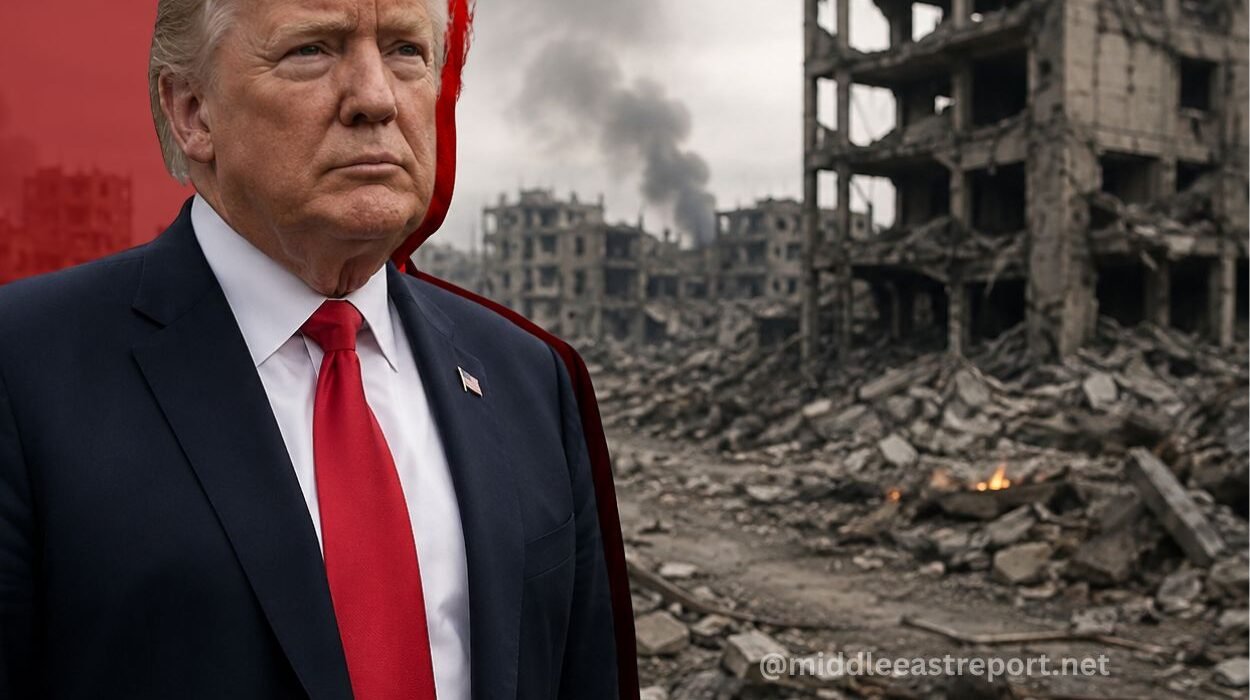
Six months after the United States and Israel started their war against Iran the fighting has turned into a stalemate that neither side can end. The United States has military power but that has not led to Iran giving in politically.
The war began on February 28 which has taken thousands of lives. It has also damaged Iran’s economy and by July food prices in Iran had gone up by more than 128 percent compared to the same time last year according to Iran’s Statistical Centre.
Still the government led by leaders is holding on. Its forces have missiles and drones to keep attacking ships and US-related targets in the area. This is true even though they have lost a third of their weapons because of attacks by American and Israeli forces.
Washington’s strategy has increasingly shifted from military pressure to economic warfare. Treasury Secretary Scott Bessent has unveiled a fresh sanctions push, dubbed Operation Economic Outcast, aimed partly at squeezing China, which buys more than 80 percent of Iran’s oil exports.
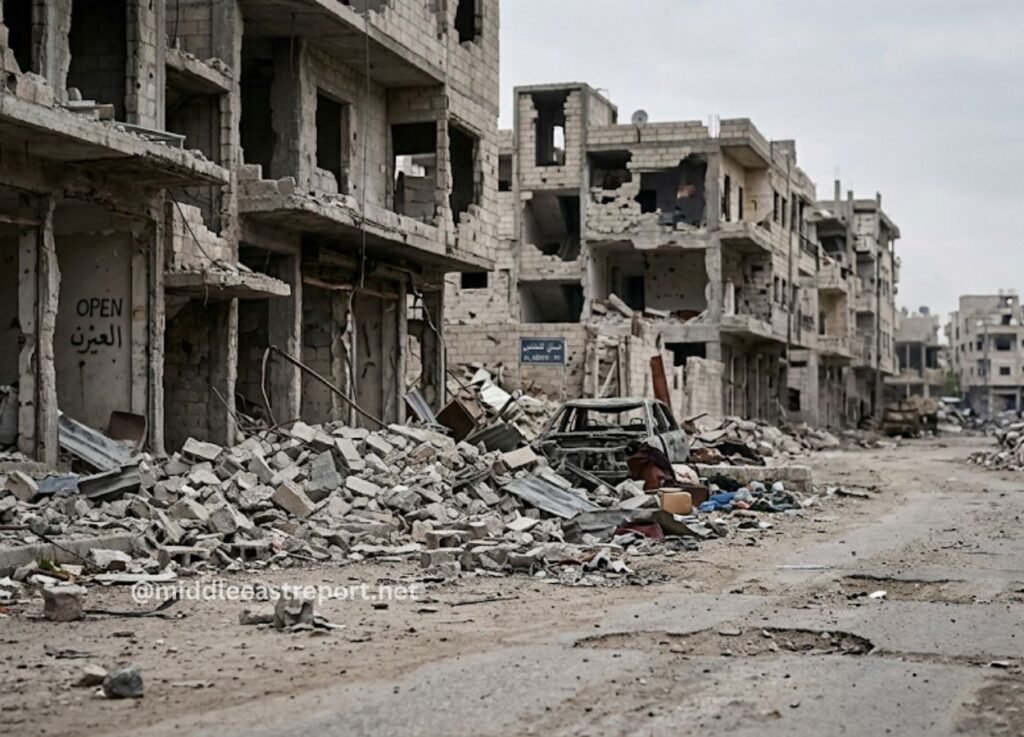
Analysts note this creates a bind for Washington: hitting Chinese buyers hard enough to isolate Tehran risks rattling global financial markets and complicating US-China relations ahead of a planned visit by President Xi Jinping to Washington next month.
The economic toll extends beyond Iran’s borders. The prolonged closure and disruption of the Strait of Hormuz, a corridor for roughly a fifth of global oil supply before the war, has kept energy markets on edge, though prices have stayed below earlier fears of spiking past $150 a barrel. Iran’s own oil shipments to China have fluctuated sharply, falling to around 6 million barrels a day at their lowest before briefly recovering.
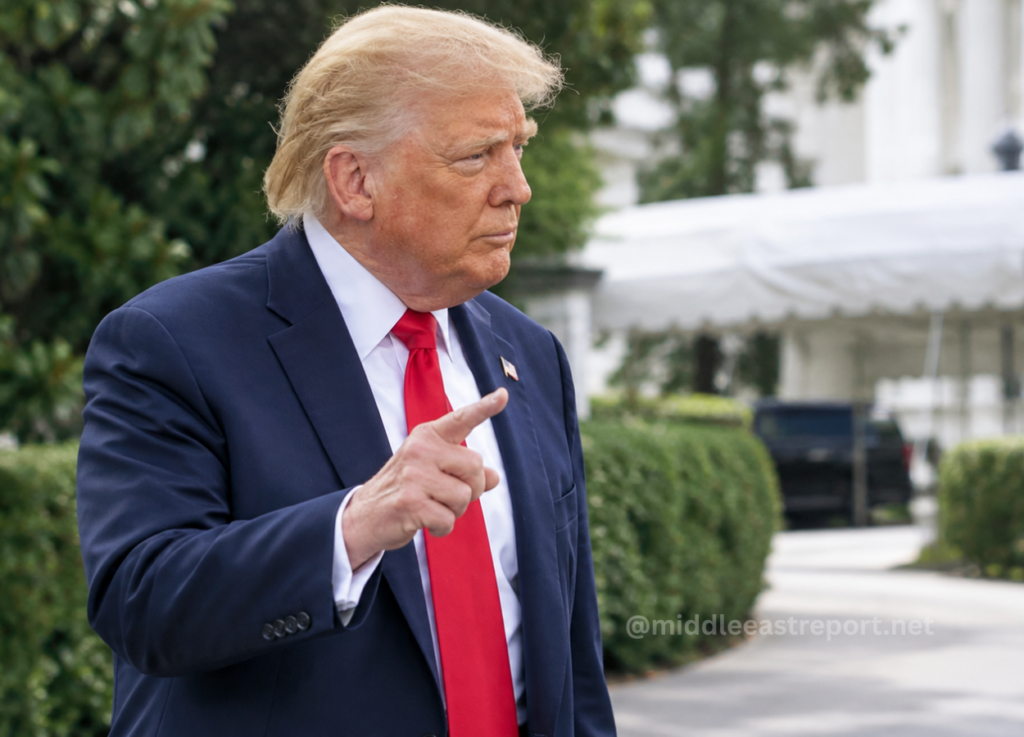
Domestically, the drawn-out conflict is becoming a political liability for President Trump. His approval rating has slipped from 40 percent at the war’s outset to 33 percent, and recent polling shows only around a third of Americans support continuing the campaign — a growing concern ahead of November’s midterm elections, where Republicans are defending narrow congressional majorities.
Analysts say that without a decisive shift on either side, the war looks set to remain a grinding contest of endurance rather than a conflict heading toward resolution.