




Convergence of Ukraine and Middle East Conflicts Threatens Global Stability as US Diplomatic Efforts Stall
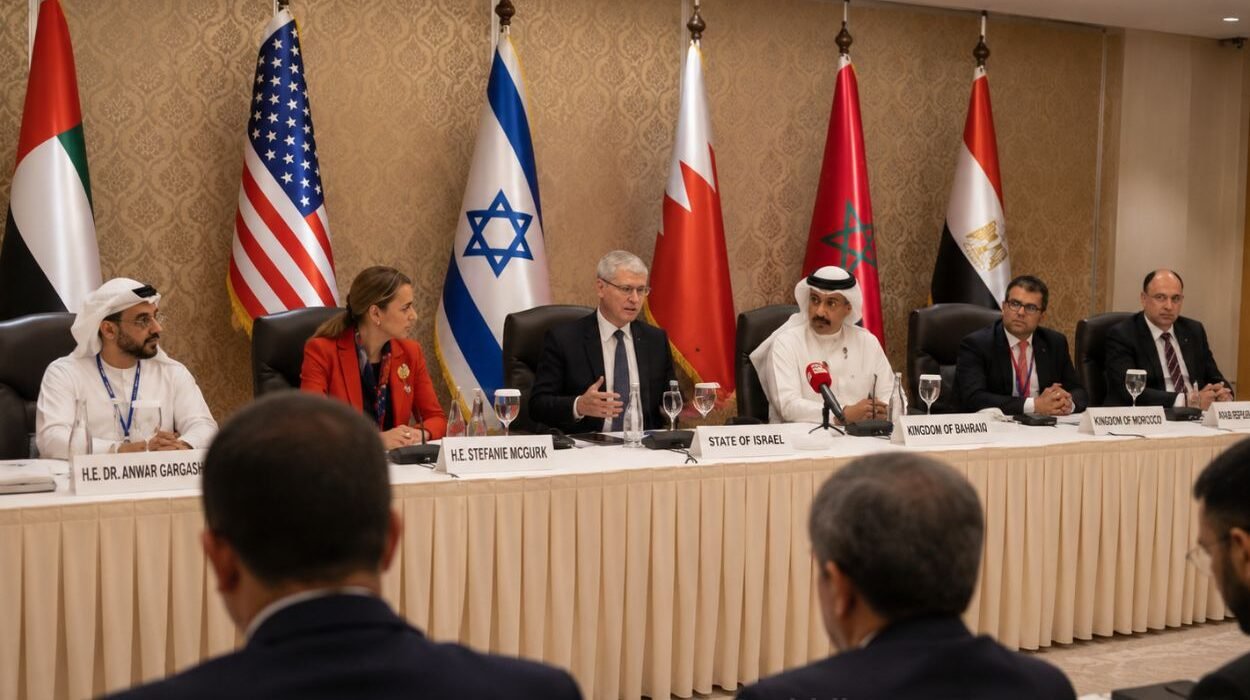
Washington’s simultaneous involvement in European and Middle Eastern theaters is driving a dangerous consolidation of active geopolitical conflicts, threatening to overwhelm Western defensive capabilities.
Security experts warn that the intertwining dynamics between the war in Ukraine and heightened military operations against Iran risk sparking a broader international confrontation as strategic weapons stockpiles face mounting strain.
The dual-front crisis was highlighted by recent reports of CIA Director John Ratcliffe’s unannounced diplomatic visit to Moscow. US intelligence officials reportedly sought to deter Kremlin escalation across Eastern Europe following covert sabotage attempts near critical European transit hubs, including explosive drone incidents targeting logistical infrastructure at Germany’s Leipzig-Halle airport.
Beyond European security, American delegates pressed Moscow to limit its military cooperation with Tehran and consider structured parameters toward ending hostilities with Kyiv.
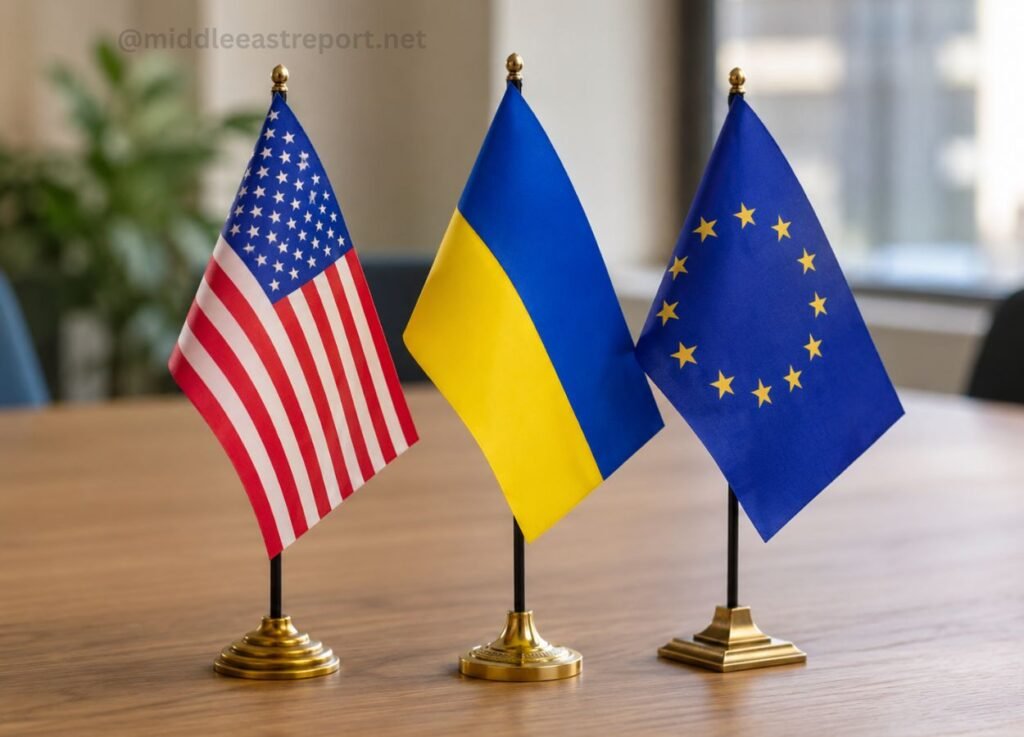
Despite high-level intelligence contacts, systemic friction continues to compound. Extensive military resource consumption in the Middle East—particularly the heavy expenditure of American air defense interceptors—has fueled perceptions in Moscow that Washington’s operational bandwidth is divided.
Consequently, Kyiv faces severe hardware shortfalls as Russian forces exploit perceived windows of vulnerability. Simultaneously, cross-regional military cooperation has intensified: Ukrainian technical personnel have deployed drone defense assets to Gulf partners, while Moscow continues leveraging Iranian surveillance data and aerial hardware to strike Ukrainian targets.
Efforts to isolate either conflict are further complicated by multilateral alignment among major Eastern powers. Leaders from Beijing, Moscow, and Tehran continue to reinforce bilateral trade frameworks and economic safety nets to absorb Western sanctions campaigns.
Geopolitical analysts caution that without comprehensive strategy recalibration—including potential diplomatic compromises regarding regional energy transit and security neutrality—unresolved peripheral conflicts risk triggering an uncontainable global fallout reminiscent of pre-1914 alliance cascades. Middle East Report


