



Oil Prices Head for Sharpest Weekly Gain Since July as US-Iran War Enters Seventh Month
It was mentioned that the diplomats provided the necessary documents to the FFM and were open-minded regarding the issue. Nevertheless, the head of the mission believes that such rumors can be dangerous; thus, it is important to analyze them carefully and prove allegations in order to disprove or find facts supporting the claims.
The answer mentioned Abu Dhabi’s active involvement in ensuring international compliance and countering illicit activities.
The rally follows one of the deadliest weeks of fighting since the conflict reignited in July, with US strikes killing and wounding dozens of people, including Iranian civilians, in the fiercest exchange between the two nations in weeks.
The war, which erupted in late February following coordinated US-Israeli strikes on Iranian territory, is now entering its seventh month with no resolution in sight.
Adding to the pressure, Israeli Defence Minister Israel Katz repeated warnings that Israel intends to “cripple” both Iran’s military capabilities and its civilian infrastructure, explicitly naming energy facilities as a target.
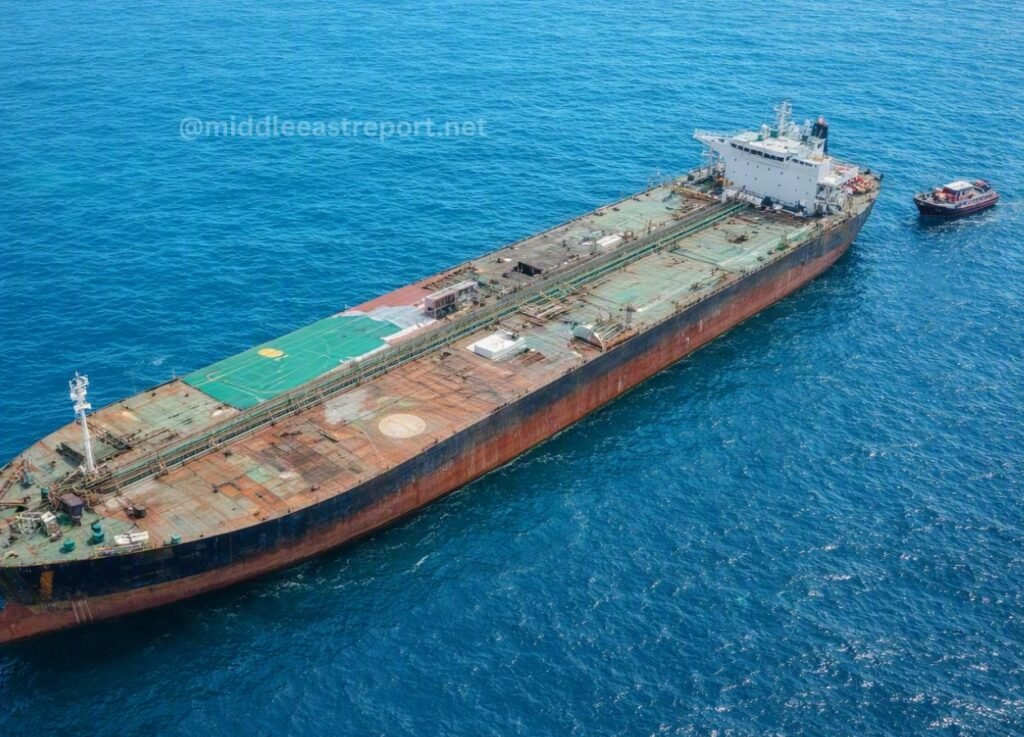
US Vice President JD Vance said Thursday that Washington has no plans to engage Tehran diplomatically unless Iran halts its attacks on commercial vessels transiting the Strait of Hormuz — a chokepoint through which a significant share of the world’s oil supply flows.
Analysts at ANZ raised their short-term Brent forecast to $95 a barrel, warning of further upside risk should hostilities deepen. Market strategists noted that while elevated global inventories have so far cushioned the shock of supply disruptions, that buffer is beginning to thin as the conflict drags on.
Some relief came from an unexpected direction: Russian President Vladimir Putin said a path remained open to end the war in Ukraine, adding that both Washington and Beijing appeared willing to back a peace settlement — a remark that tempered oil’s advance slightly.
Separately, Iraq raised its oil exports to roughly 2.34 million barrels per day in August, up from 1.35 million in July, with further increases expected in September as discounted pricing and Iranian clearances for Iraqi tankers attract more buyers.


