


Iran After US-Israel War: Conflict Leaves Society Divided Between Unity and Repression
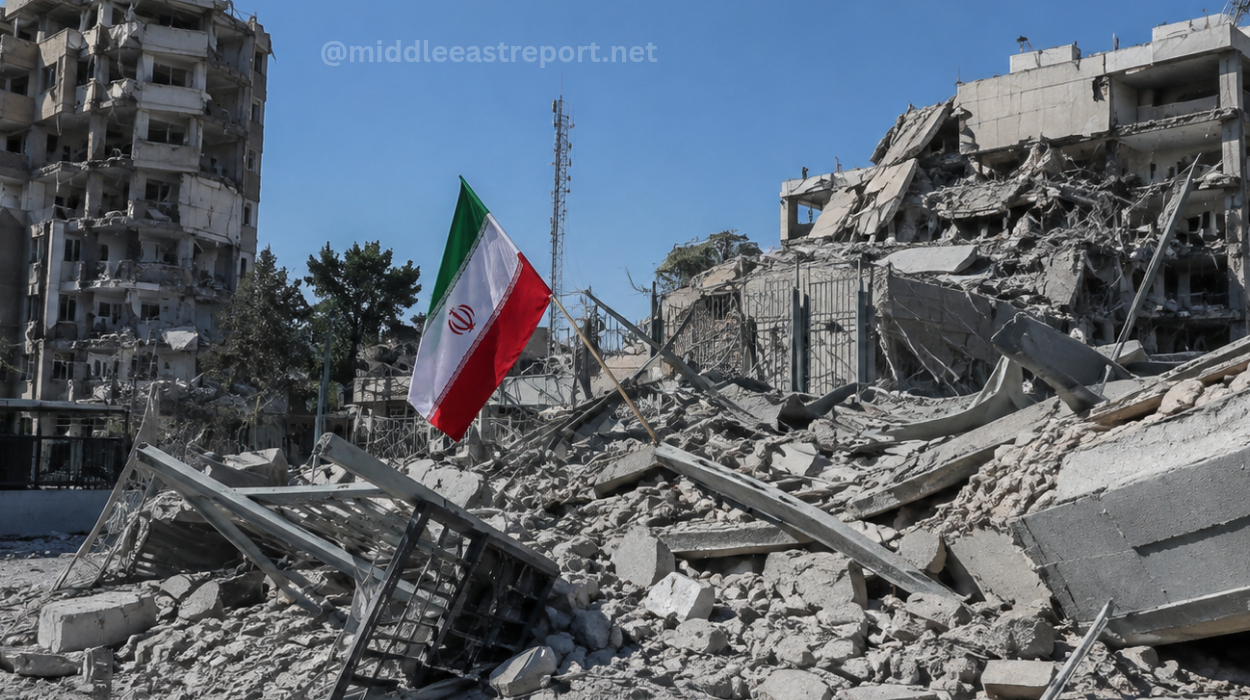
Five months have passed since the US-Israeli attack on Iran, which has left the country transformed. The public opinion is divided between those who see the attack as an opportunity to rally behind the national cause and those who believe that repression will only grow stronger in the wake of the disaster.
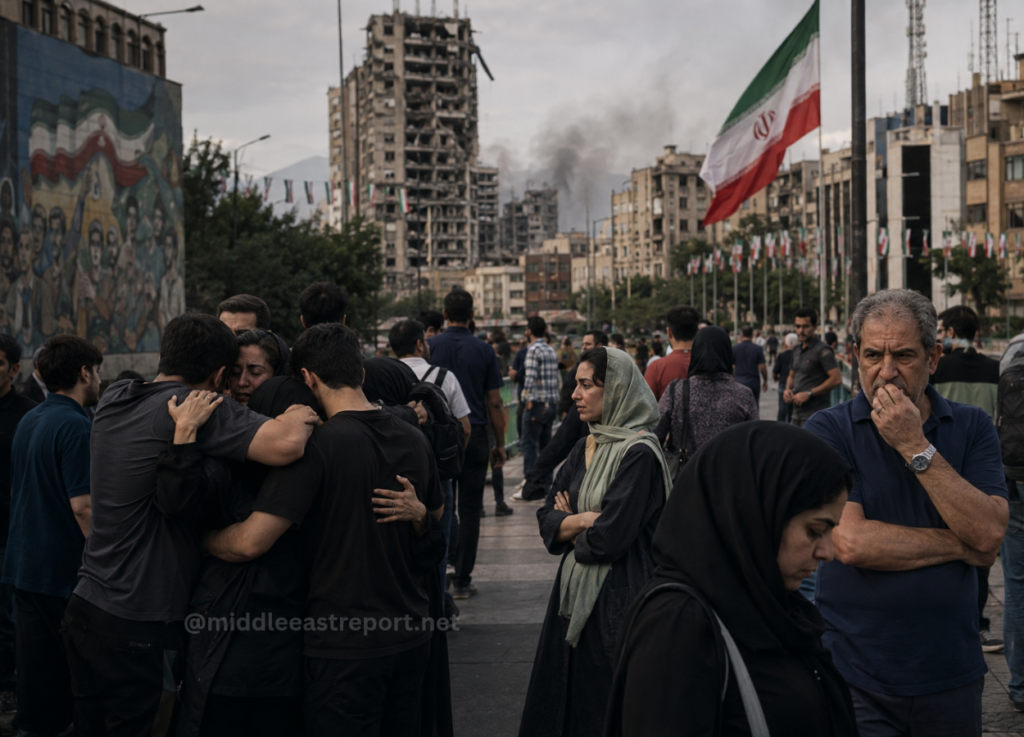
From the southern Iranian town of Minab, where a school was hit by Israeli missiles, to Tehran, where thousands gathered to mark the burial of Iran’s former supreme leader Ayatollah Ali Khamenei, people are united in grief, despite sharply differing views on the war.
In contrast, the authorities are trying to turn public opinion against the attack, which they have blamed on the US. In Minab, 156 people, including 120 children, were reported killed when a US-made Tomahawk missile struck Shajareh Tayyebeh primary school on February 28, the first day of the conflict, according to the city prosecutor’s office.
Excavators continue to clear the site, while portraits of victims remain displayed across the city. One child’s exercise book was recently recovered from the wreckage. The attack has also affected Iranians who had previously hoped foreign pressure could contribute to political change.
Some former protesters now argue that the war has instead brought suffering to ordinary people without resolving the grievances behind earlier demonstrations. Those protests had spread across Iran before the war amid economic hardship, inflation, sanctions and dissatisfaction with the leadership.
Rights groups documented a large number of deaths and disappearances during the subsequent security crackdown, although the overall toll remains disputed. Further south, the conflict disrupted livelihoods around Bandar Abbas, Iran’s major commercial port near the Strait of Hormuz.
Shipping interruptions have left some fishermen struggling to earn an income, while the strategic waterway remains central to the country’s military and economic calculations.
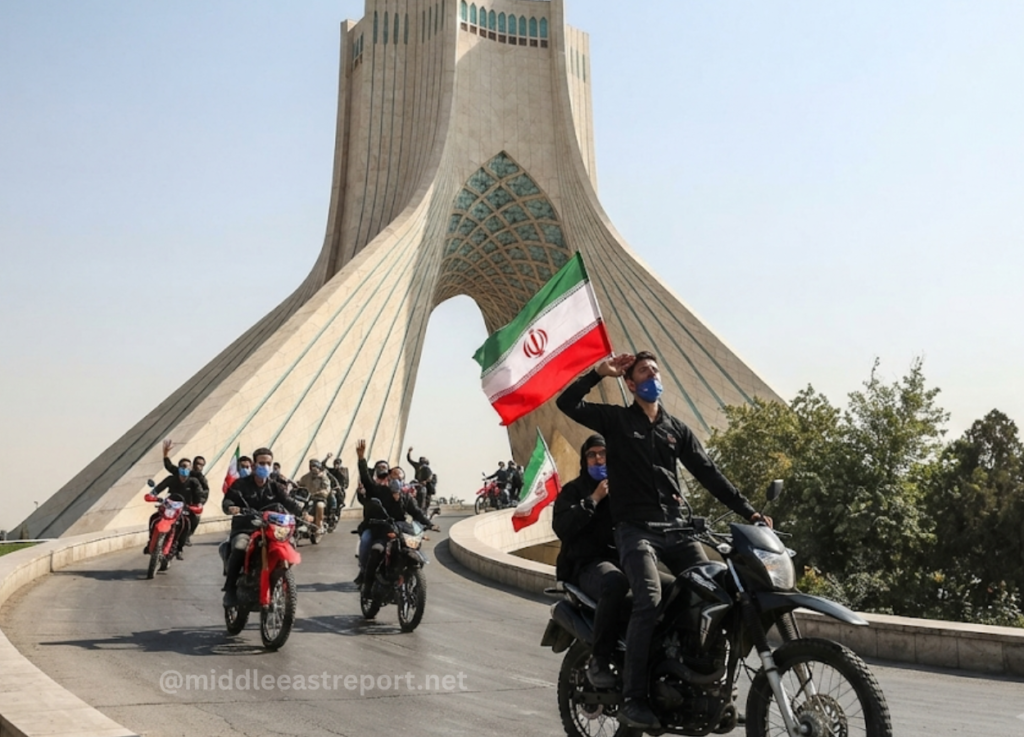
In Tehran, however, the funeral for Khamenei presented a powerful image of political mobilisation, with large crowds chanting anti-US and anti-Israel slogans. For some Iranians, the war strengthened unity.
For others, it reinforced restrictions and failed to address longstanding domestic concerns. The competing interpretations highlight the uncertainty surrounding how the conflict will shape Iran’s politics and society long after the fighting ends.