


Mecca Defence Pact Signals a More Independent Middle East as US Security Role Faces Questions
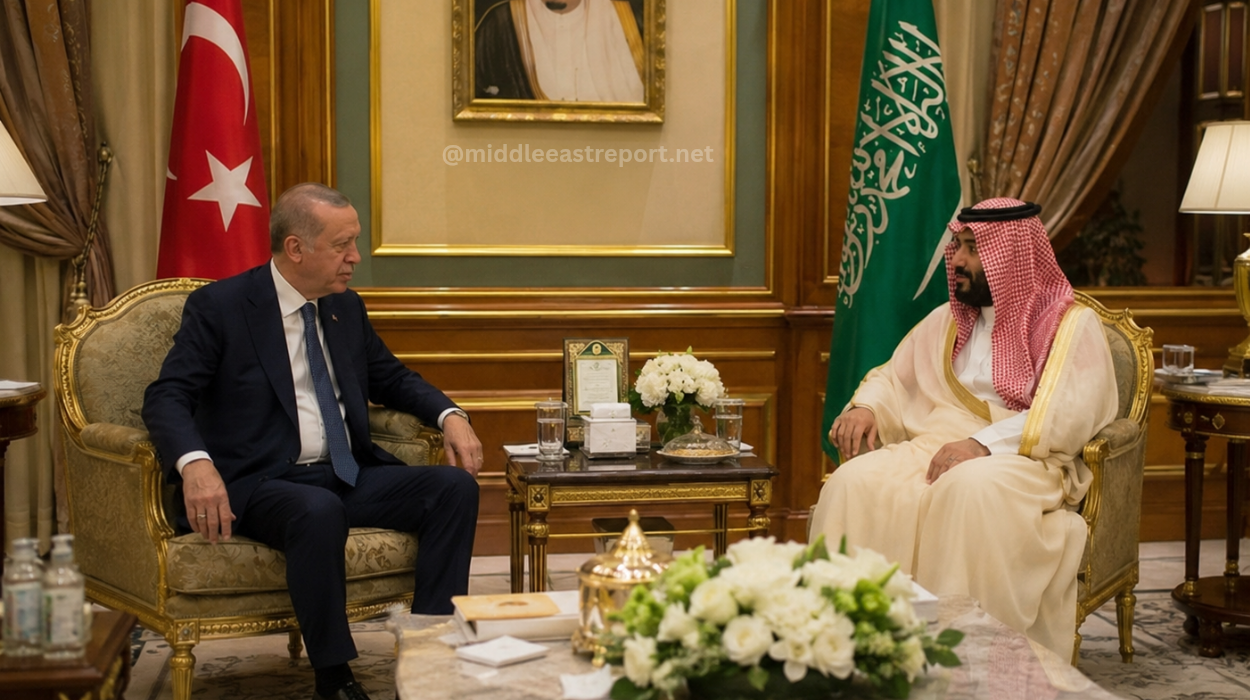
The new Middle East security architecture which Saudi Arabia, Saudi, Türkiye and Pakistan have agreed to join, can be seen as a significant change in the region’s security landscape. This prompts several questions about the future implications for the US alliances in the region.For the US, the latest development may not necessarily spell the end to its longstanding alliances in the region.
Although Saudi Arabia is tightly integrated with the US in terms of defence, trade and security, the emergence of the tripartite security pact means that Riyadh has more options at its disposal and that other members of the alliance can leverage their economic and strategic clout to advance their geopolitical interests.
Meanwhile, the agreement came at a time when tensions were running high in the region with regional powers such as Iran, Israel, Yemen and Gulf states, all for influence and security.
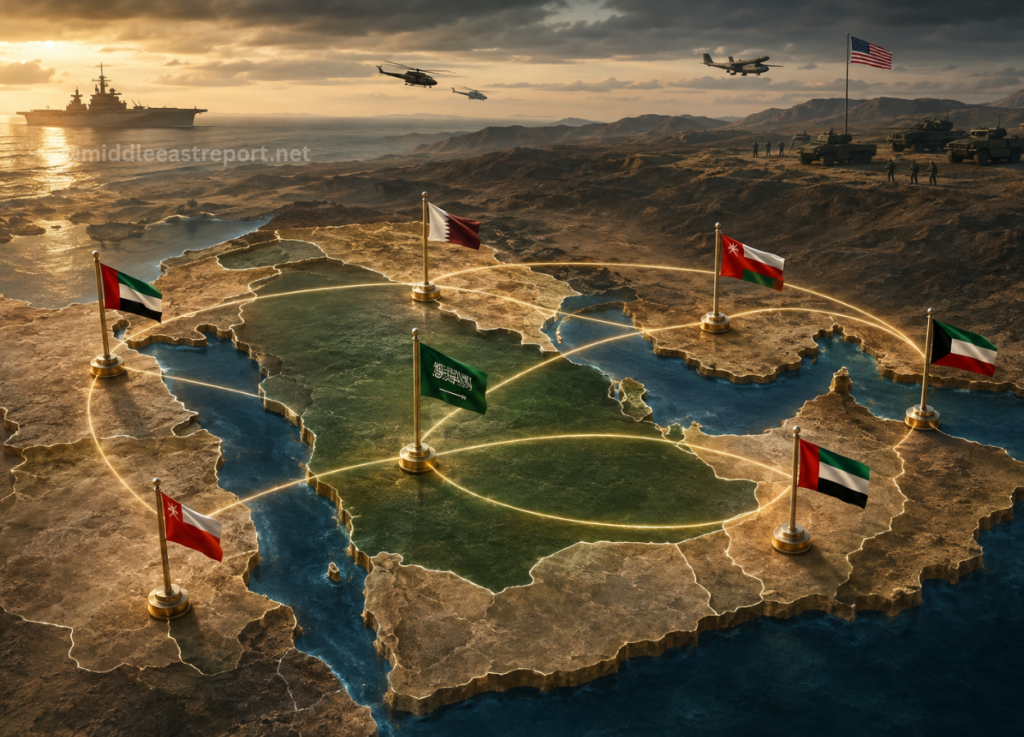
Recent military confrontation has also fuelled concerns among regional governments about how dependable existing security guarantees may be during a major crisis. Analysts quoted in reporting on the pact said these concerns have encouraged countries to diversify their defence relationships rather than depend exclusively on Washington.
Türkiye adds significant military capabilities and a major defence industry to the arrangement, while Pakistan brings extensive military experience and a nuclear-armed armed forces. Saudi Arabia contributes financial resources, strategic geography and control over key energy interests.
The pact could therefore strengthen regional deterrence while giving its members greater influence over their own security decisions. At the same time, its practical military commitments remain unclear, including how the mutual-defence clause would operate during an actual conflict.
For the US, the agreement may ultimately represent less a rejection of American influence than a warning that Middle Eastern partners want greater strategic flexibility. Washington is likely to remain a major security actor, but the region’s emerging defence partnerships could gradually reduce its position as the only indispensable security provider.