



Iran, Oman Discuss Temporary Corridor Through Hormuz as US Standoff Persists
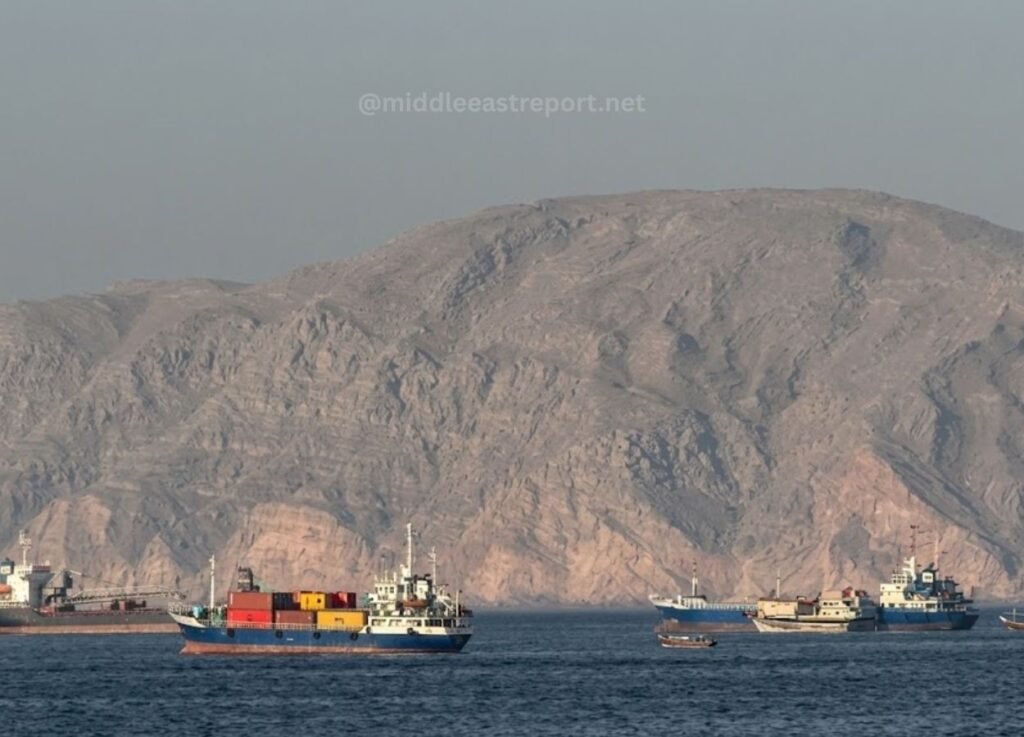
Iran and Oman are in talks about creating a temporary safe corridor through the strategic Strait of Hormuz after months of economic pressure from Washington, as Tehran’s war with the United States and Israel drags on.
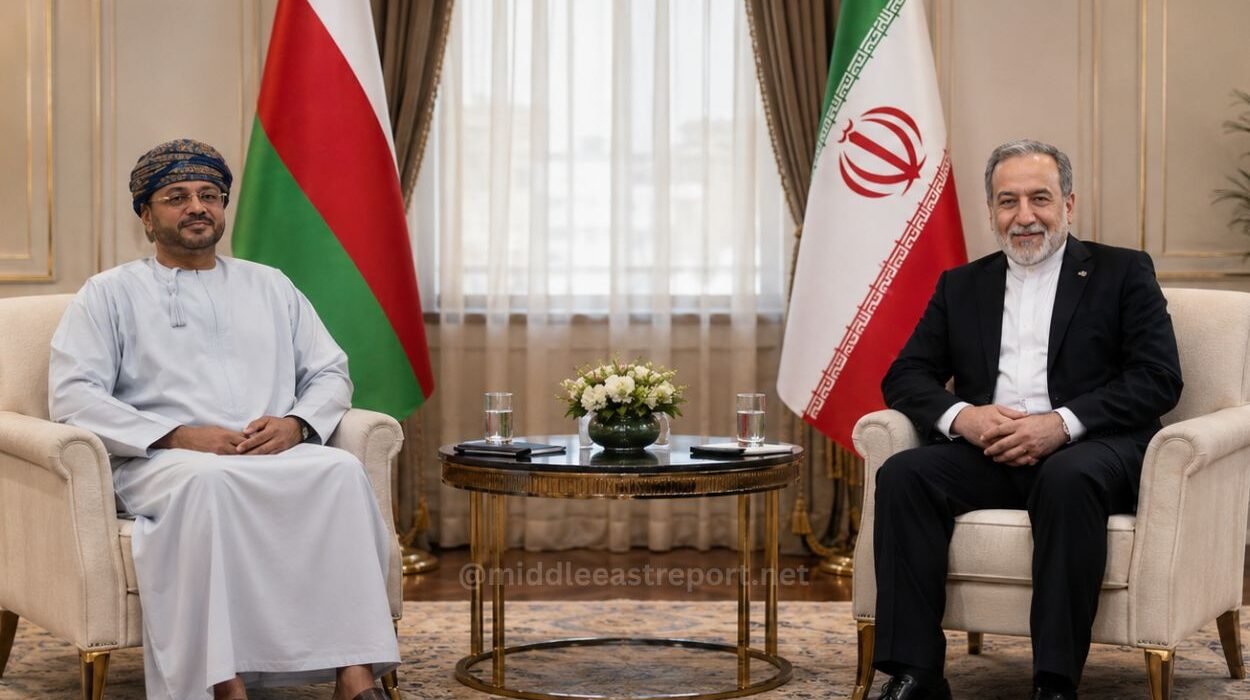
Foreign ministers of the two countries met Tuesday in Tehran to discuss a joint plan to establish a safe route through the narrow waterway.
Both nations have been discussing the creation of a secure passage for some time, and they hope to finalize an agreement that would allow commercial shipping to resume through the strategic region.
Before the conflict began in February, the Strait of Hormuz was the site of about a fifth of global oil and liquefied natural gas exports and imports. However, it has been completely blocked off by both warring parties following the Hamas attack on Israel.
Iranian Foreign Minister Abbas Araghchi and his Omani counterpart, Sayyid Badr al-Busaidi, said the two sides discussed a joint temporary navigational corridor and agreed to clear mines from the strait.
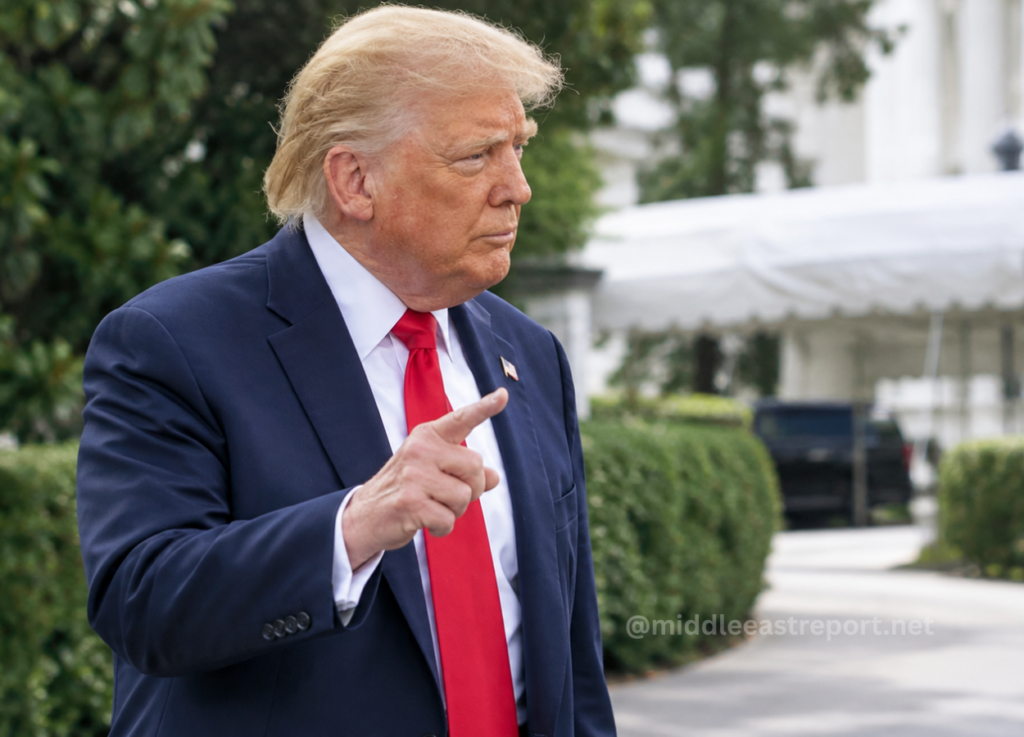
Oman’s top diplomat expressed hope that a formal corridor and arrangements for restoring safe navigation could be announced soon. President Trump separately claimed all mines in the waterway had already been cleared, a claim he has repeated previously without independent confirmation.
The diplomatic push comes despite continued flare-ups at sea. An unidentified projectile struck and disabled an oil tanker near Oman’s Ash Shishah, close to the strait’s entrance, on Tuesday, according to the United Kingdom Maritime Trade Operations.
Separately, US Secret Service officials said they were tracking an Iranian state television broadcast referencing an alleged plot against President Trump’s son, Barron, which claimed a bounty had been placed on him — a claim that has not been independently verified.
Even as tensions simmer, there are signs of gradual normalization: American officials have begun returning personnel to select diplomatic posts in the region that were scaled back or evacuated earlier in the conflict.
Meanwhile, domestic support in the US for the ongoing war has reportedly declined, adding pressure on Washington even as it maintains a hard line on sanctions against Tehran.