




Indian Refiners, Global Energy Firm to Shun Iran-Blacklisted Tankers Over Security Fears
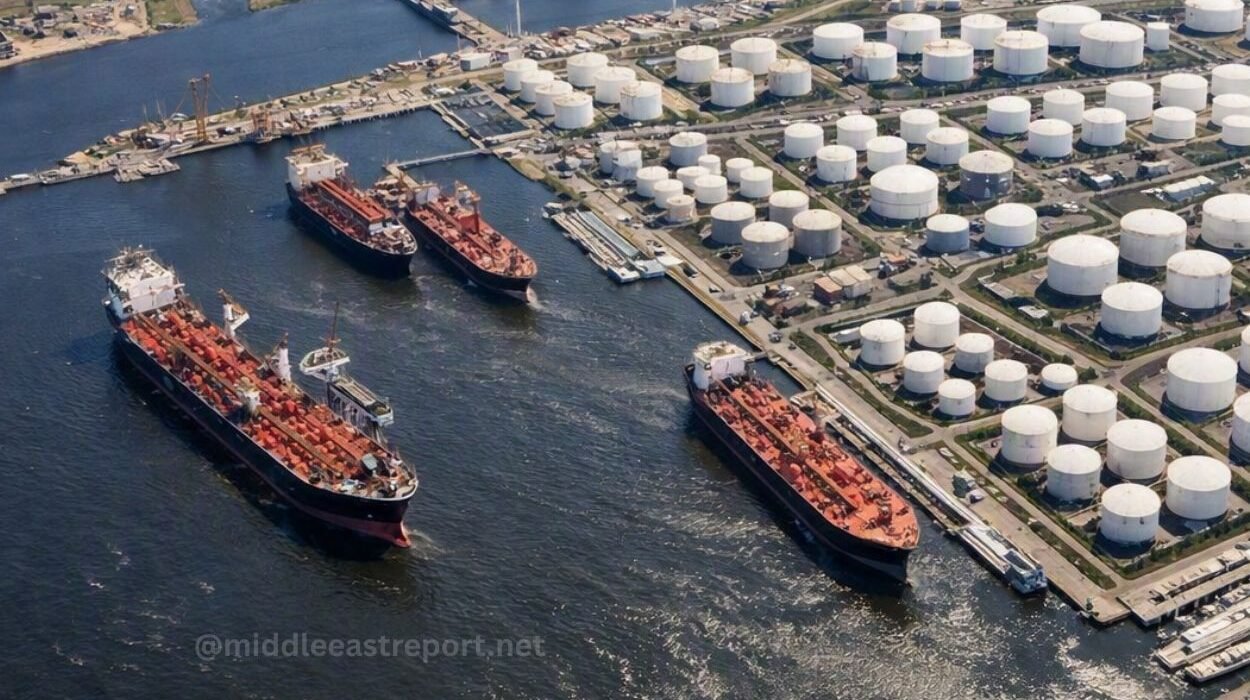
At least three Indian oil refiners and one global energy major are steering clear of vessels named on Iran’s new tanker blacklist, according to four sources familiar with the matter, as fallout spreads from Tehran’s latest attempt to tighten its grip over the Strait of Hormuz.
The companies plan to avoid the listed ships entirely, including for ship-to-ship transfers that have become a lifeline for Gulf oil exports since the strait’s shipping routes were disrupted by the ongoing war.
Iran announced the blacklist on Sunday, naming 45 vessels it accused of violating its rules for crossing Hormuz, and warned it would act against any ship caught transferring cargo with them — including fines, detention or confiscation of goods, according to a notice posted by Iran’s newly formed Persian Gulf Strait Authority.
The move strikes directly at the ship-to-ship transfer system that Gulf producers, including Saudi Arabia and the UAE, have relied on to keep oil and gas flowing despite Iran’s restrictions on strait traffic.
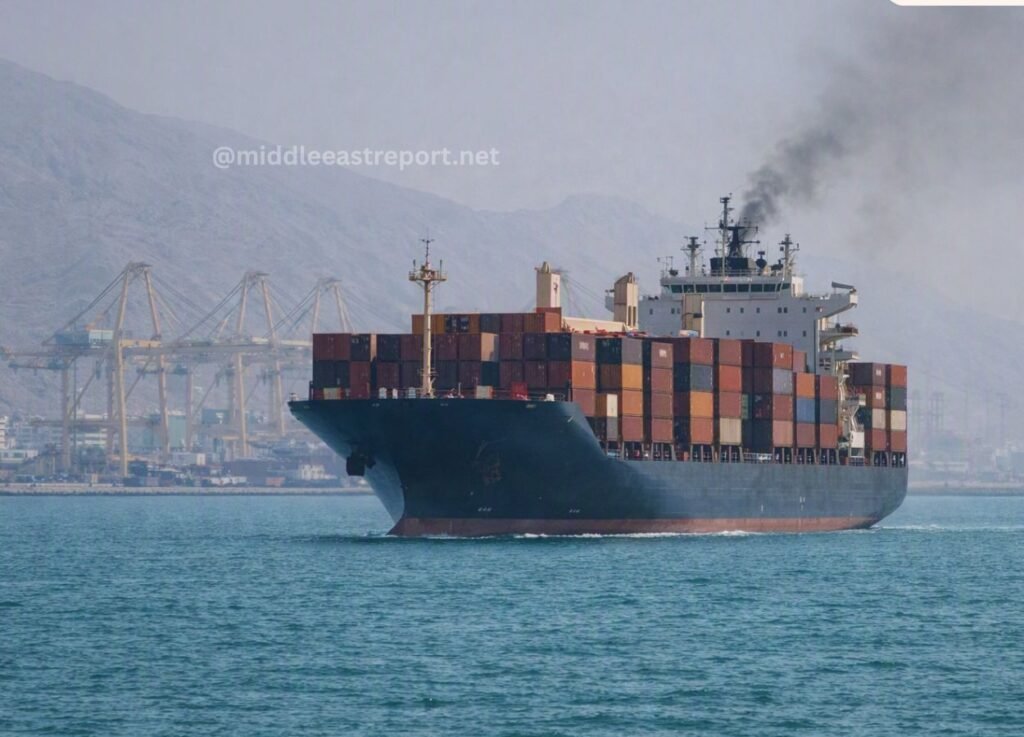
Several of the blacklisted tankers are owned or chartered by Saudi Aramco and Abu Dhabi’s ADNOC, and have regularly shuttled crude, refined fuel and LNG for transfer off the coasts of Fujairah and Sohar. Both companies declined to comment.
One source at an Indian refinery said the company would steer clear of any chartered vessel involved in transfers or dealings connected to non-compliant ships for cargoes moving through the Middle East. All four sources spoke on condition of anonymity given the sensitivity of the matter.
Analysts do not expect the blacklist to halt trade altogether. Ana Subasic of shipping-tracking firm Kpler said the most compliance-conscious buyers would likely avoid the flagged vessels, but predicted the oil would simply move through alternative ships, counterparties or transfer points rather than stop flowing.
The blacklist adds to mounting pressure over Hormuz, a chokepoint for global energy supplies, six months into the war between Iran, Israel and the United States.
It follows separate warnings from Washington of fresh sanctions on Tehran, with Iran vowing a forceful response to any further escalation.