


Tehran Rejects Washington Sovereignty Claims Over Strait of Hormuz as Regional Escalation Deepens
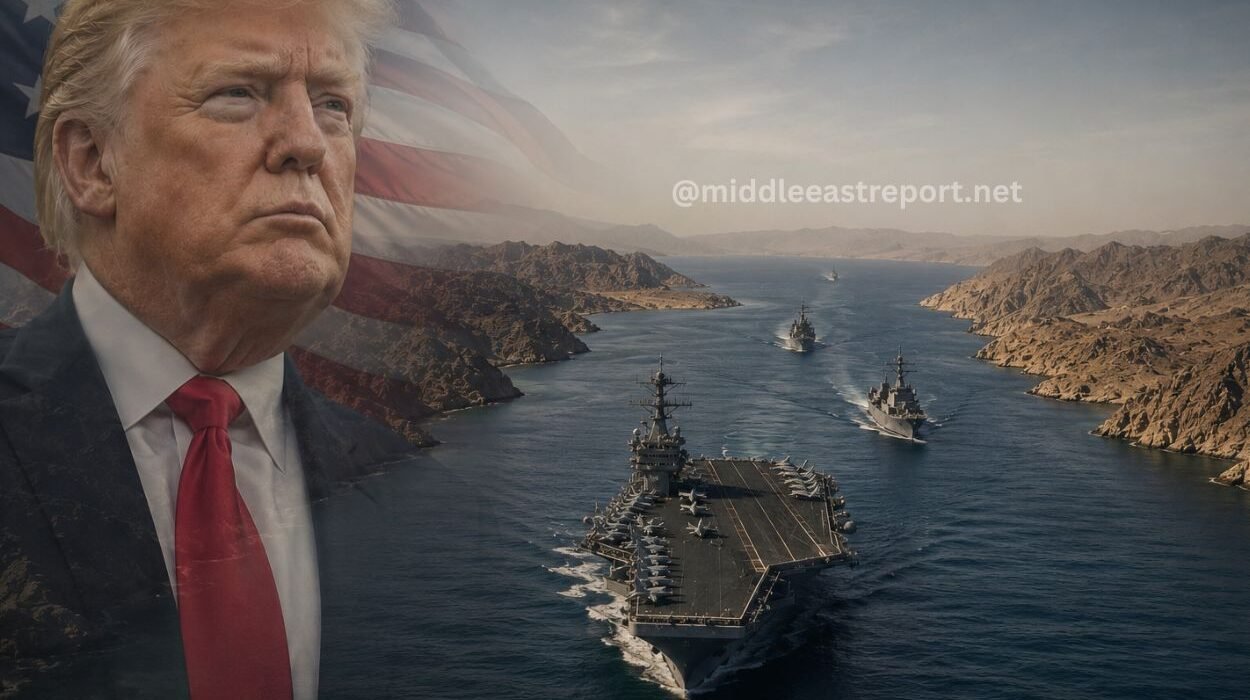
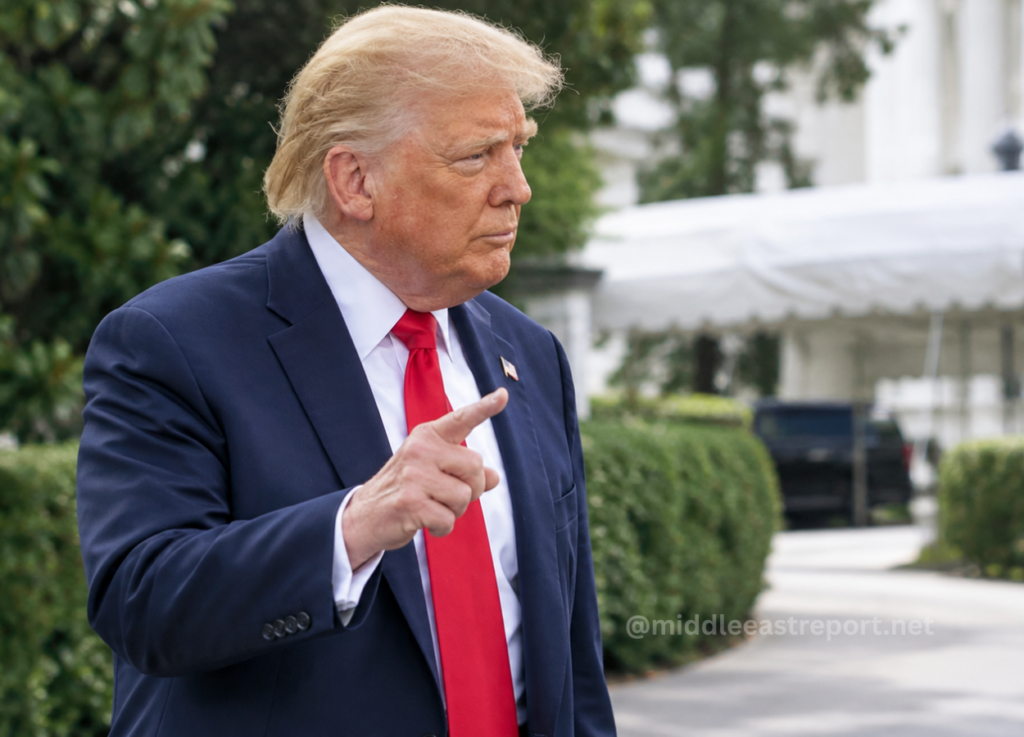
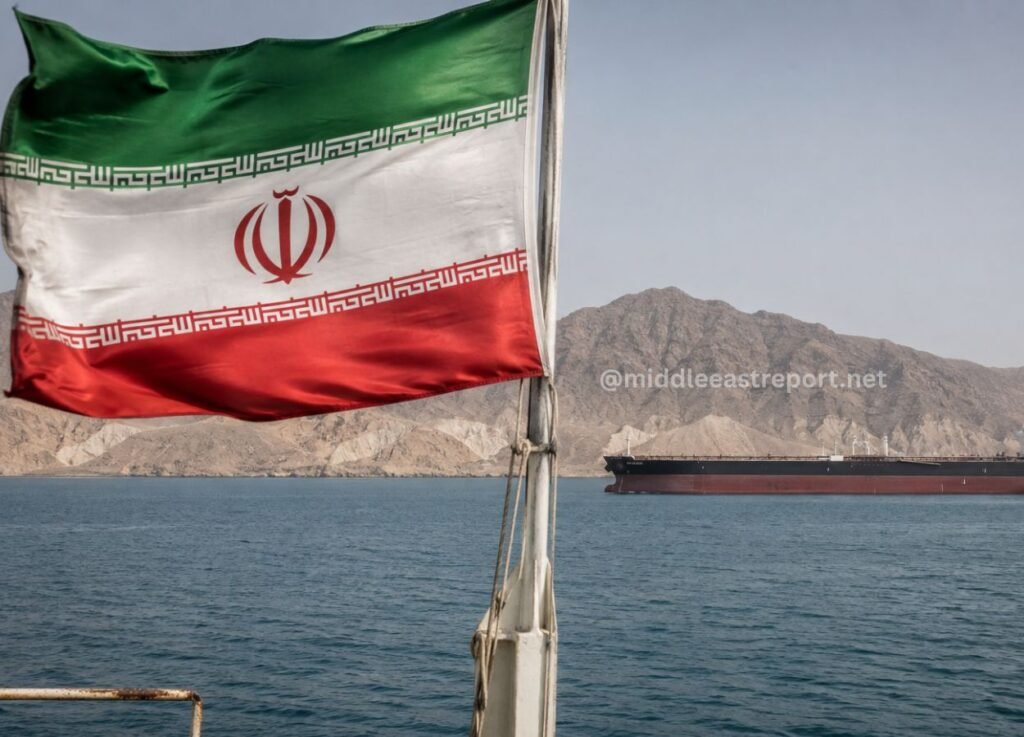
Iran has strongly rejected threats from U.S. President Donald Trump to take control of the Strait of Hormuz. Iran says the important waterway will stay completely under control as problems with ships in the Gulf get worse.
The disagreement shows a political split after many months of conflict in the region. In Tehran Iranian Deputy Foreign Minister Kazem Gharibabadi said that Washington needs to accept its failures.
He said that ships will only be allowed to go through the waterway in the way that Tehran decides. This came after President Trump said the United States could say the narrow area belongs to America after military actions are over.
Commercial shipping through the corridor, which historically accounts for roughly twenty percent of global crude oil transportation remains near a total standstill. Vessel-tracking metrics indicated that only two merchant ships traversed the channel over a twenty-four-hour period, a dramatic reduction from the pre-conflict average exceeding 130 vessels daily.
Commercial operators face heightened risks after Emirati energy transport vessels reported targeted strikes along the route, further depressing international maritime transit.
The economic ramifications of the maritime standoff are increasingly hitting domestic markets in the West. U.S. consumer fuel costs have surged nearly twenty-nine percent compared to year-ago benchmarks, prompting the Trump administration to reorient its primary conflict objectives toward domestic energy price stabilization alongside nuclear non-proliferation.
Concurrently, Iranian President Masoud Pezeshkian attributed severe domestic inflation to ongoing American naval blockades restricting Iranian port operations and petroleum exports.
Tensions have expanded beyond the Gulf waters into legislative and regional military spheres. Iranian lawmakers advanced legislation to criminalize contacts with Western-aligned media organizations, establishing strict prison sentences to counter foreign influence. Meanwhile, Tehran’s armed forces announced monetary bounties targeting foreign personnel deployed in the region.
In response to the volatile security landscape, regional powers have solidified alternative security arrangements. Washington welcomed a newly ratified trilateral defense pact between Saudi Arabia, Turkey, and Pakistan signed in Mecca, describing the agreement as a crucial step toward independent regional deterrence.
However, with diplomatic channels between Washington and Tehran stalled, prospects for an immediate de-escalation remain unpromising.