


Washington Signals Open-Ended Naval Blockade on Iran as Middle East Maritime Tensions Escalate
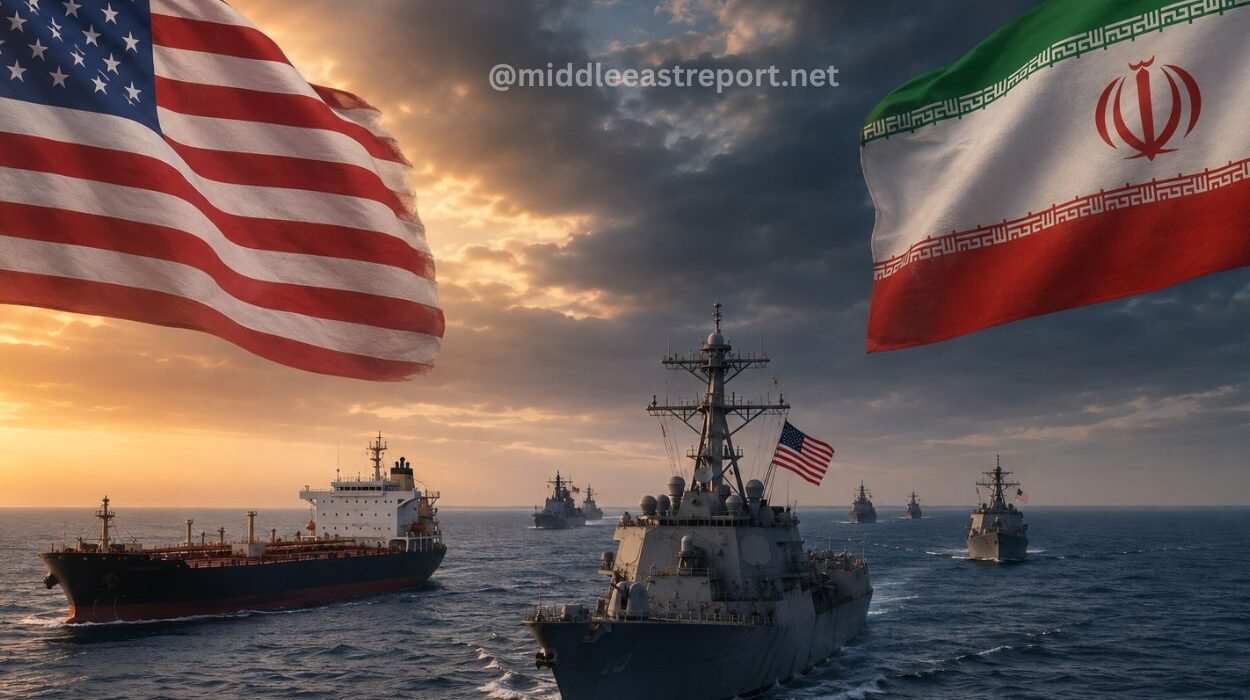
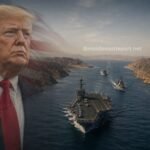
The United States has made it clear that it wants to keep a term of naval blockade on Iranian ports while increasing financial sanctions. Diplomatic efforts to stop fighting in the region are not. Security in important waterways in the Gulf is getting worse.
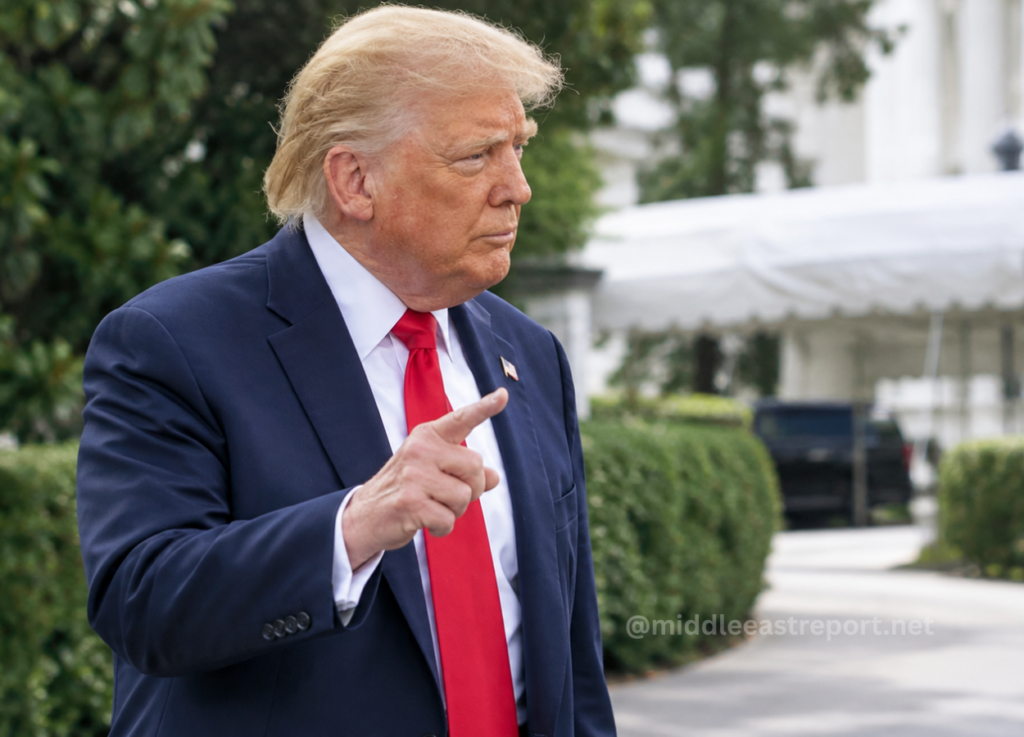
While visiting Panama US Defense Secretary Pete Hegseth said that American ships have the ability to keep the blockade going for a time by constantly rotating ships in and out. This comes at the time as new warnings from US Treasury officials about very strong economic punishments meant to make Tehran more financially isolated after recent problems, in important shipping areas.
Regional tensions escalated further after two commercial vessels belonging to the Abu Dhabi National Oil Company (ADNOC) were targeted near the Strait of Hormuz, an attack condemned by UAE authorities as a hostile action by Iranian forces.
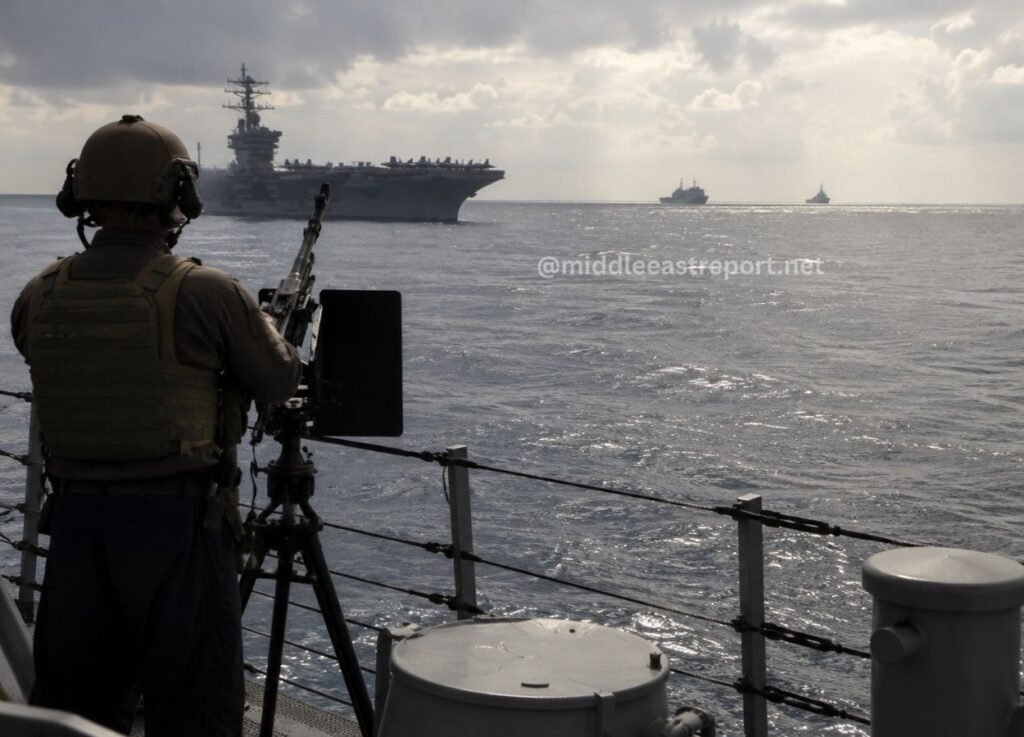
The strategic waterway, which historically handled roughly a fifth of global petroleum and liquefied natural gas shipments, has experienced a severe collapse in commercial maritime traffic, dropping from over 130 daily transit vessels prior to the conflict to fewer than ten in recent days.
In tandem with the military posture, US Treasury Secretary Scott Bessent announced plans to unveil sweeping economic measures designed to strictly curtail Tehran’s access to international finance.
The dual strategy reflects Washington’s emphasis on long-term pressure after earlier ceasefire framework negotiations stalled over freedom of navigation guarantees and security protocols.
The economic fallout of the prolonged maritime standoff continues to ripple through international energy markets. According to forecasts from the International Energy Agency, global oil supplies are projected to contract by 4.3 million barrels per day this year, compounding global inflationary pressures and heightening growth risks worldwide.
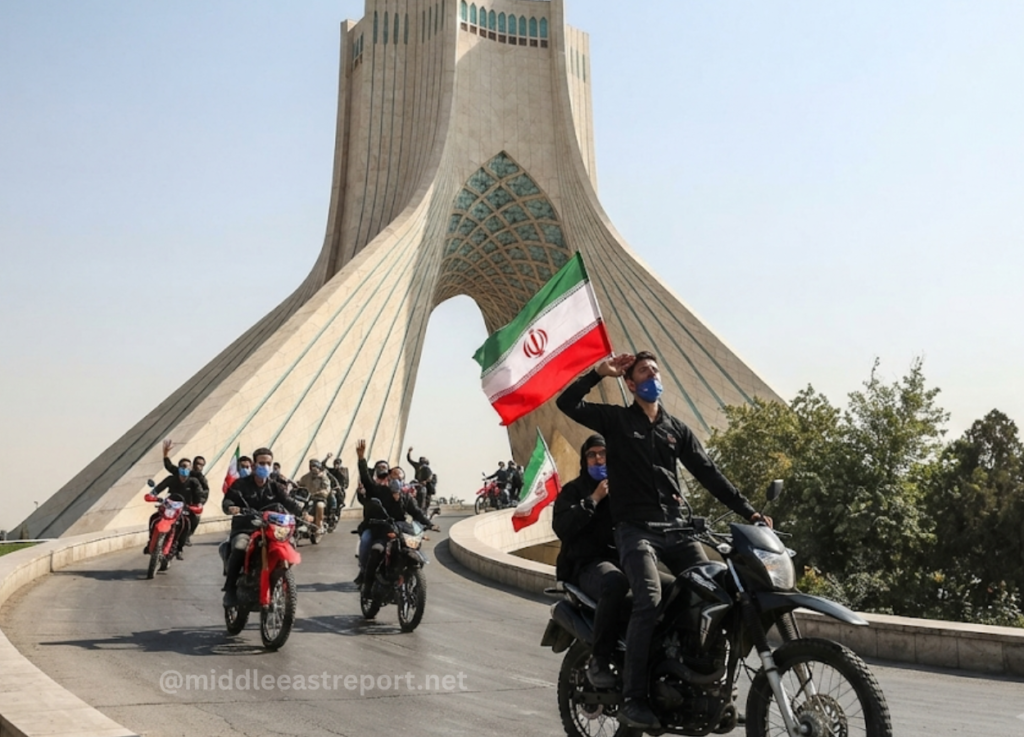
While Washington maintains that the blockade will remain active until commercial shipping in the Strait of Hormuz is fully restored through regional consensus, Tehran continues to demand the total removal of sanctions and the release of frozen national assets as prerequisites for restoring maritime access.