



Washington Widens Net on Iran Sanctions, Warns Trading Partners of “Economic Asphyxiation”
The Trump administration moved on Monday to expand the reach of secondary sanctions targeting Iran, giving countries and companies still doing business with Tehran a final opportunity to cut ties before facing US penalties.
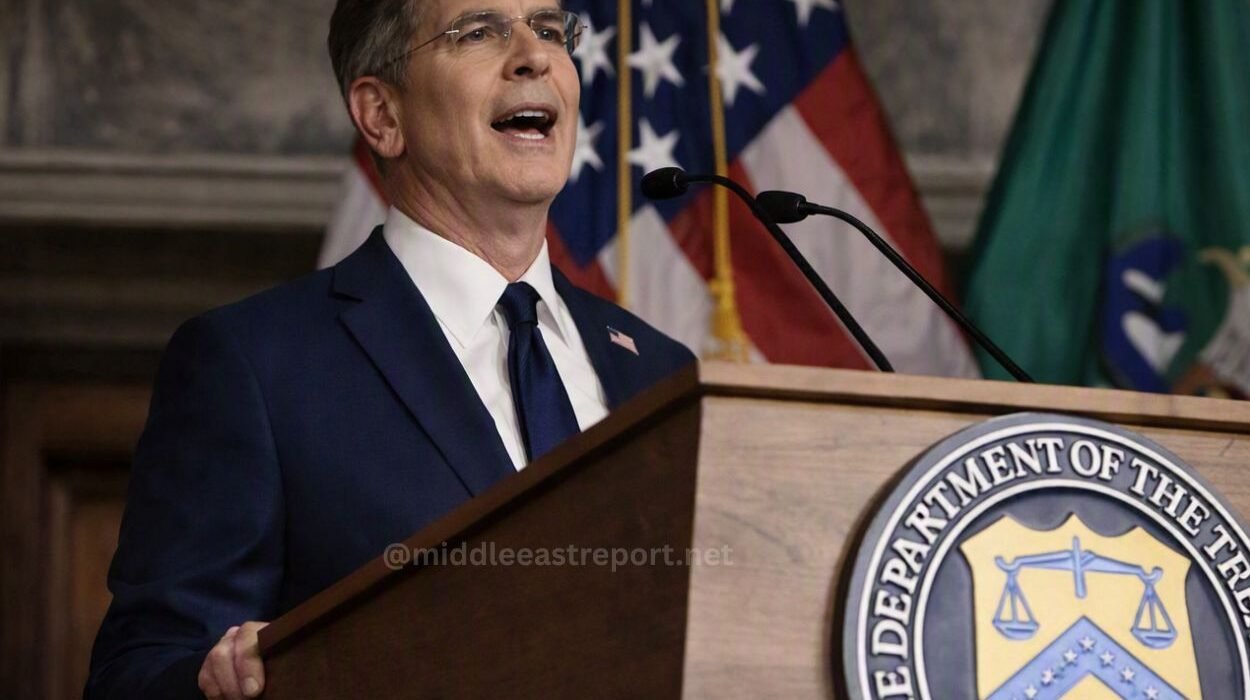
Treasury Secretary Scott Bessent announced the broadened measures during an afternoon press briefing, framing them as part of an escalating campaign he has previously described alongside President Trump as an “economic D-Day” against the Islamic Republic.
This expansion happens while the fight between the US and Iran has stayed stuck for six months. The fighting has paused for now. There is no sign that any talks will fix the problem.
The Strait of Hormuz is an important path for global energy shipments but the Strait of Hormuz is basically blocked because of this standoff. The latest move, from Washington is meant to push the friends of Iran to stop trading with Iran so that the Iranian economy cannot keep going.
According to a source familiar with the plans, the new sanctions authority will identify additional categories of Iran-linked activity that could trigger US penalties, making it easier for Washington to act against banks, shipping firms, insurers and other intermediaries facilitating transactions with Tehran.
Bessent said the expanded sanctions are not being used lightly, describing the move as a clear warning to any government or entity that continues to enable Iranian trade. He stated plainly that no country or company would be exempt from potential consequences.
The measures build on an already extensive sanctions regime run through the Treasury’s Office of Foreign Assets Control, which has designated hundreds of Iranian entities since Washington withdrew from the 2015 nuclear agreement in 2018.
Unlike earlier rounds, the newly expanded authority is designed to reach foreign firms and governments engaging in Iranian commerce even when no American financial institution is involved, effectively extending US jurisdiction well beyond its own borders.
Analysts say the primary target remains Iran’s oil and petrochemical exports, historically its largest source of foreign currency, along with the shipping and insurance networks that keep that trade moving.
With Iran’s economy already strained by war and existing sanctions, officials in Washington are betting that closing off remaining financial channels will force Tehran back to the negotiating table.