






Household Costs Soar in Tunisia as Currency Depreciation Erodes Post-Revolution Gains
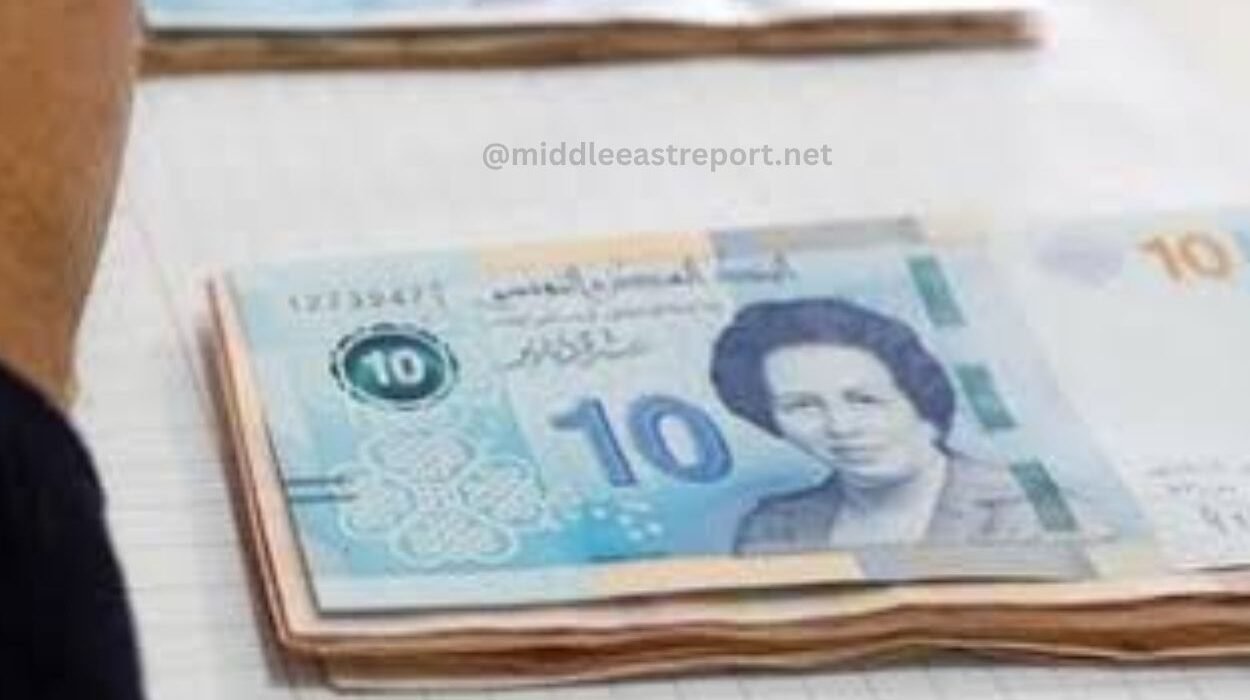
Over fifteen years after the Arab Spring began families in North Africa now feel a strong financial pressure. This pressure comes from a drop in the currency value and from food prices that have not been controlled.
New economic reports show that household goods are now more costly than they were before the 2010 political shift. Because of these costs everyday items are becoming harder for ordinary citizens to buy.
The main problem is the weakened currency as in 2010 the exchange rate was about 1.47 tunisian dinars for each US dollar. Today the US dollar is worth 3.0 Tunisian dinars and Tunisia depends a lot on suppliers for basic grains and farming supplies.
The steep fall in the currency has made import costs rise sharply. This has pushed up prices on store shelves, across Tunisia.
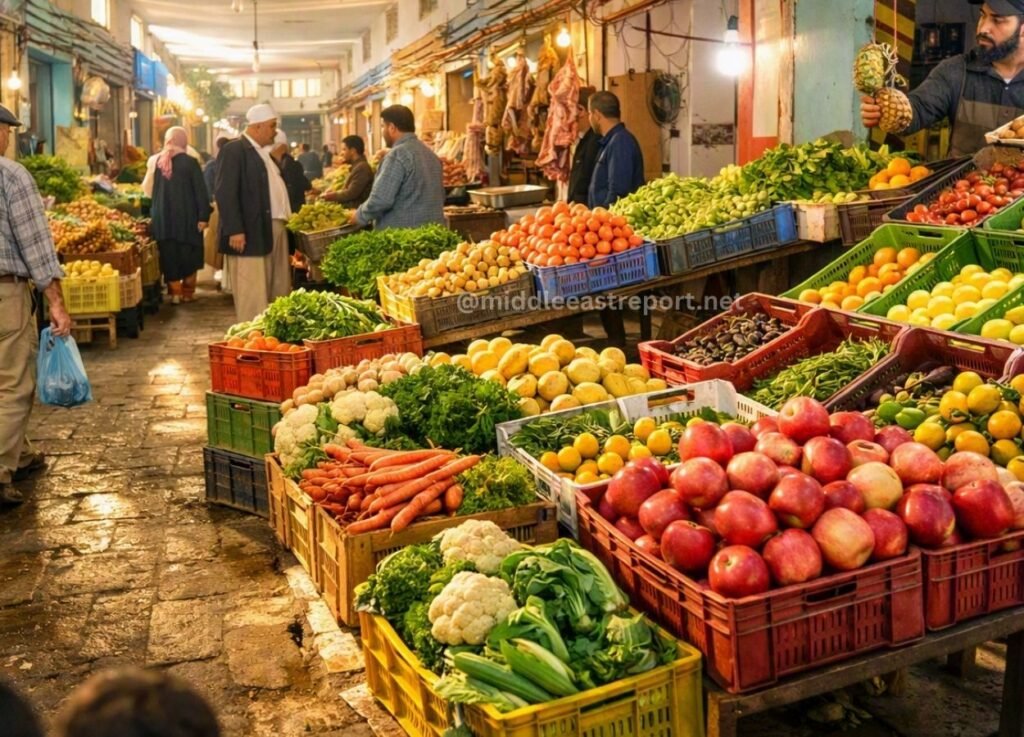
Data comparing current market figures against pre-2011 benchmarks reveals dramatic shifts in food affordability. Agricultural produce has seen the steepest spikes; carrot prices have escalated by over 400 percent, while potatoes are nearly four times more expensive.
Meat and poultry have similarly surged, with standard beef cuts rising nearly 290 percent to exceed 50 dinars per kilogram. Even basic cooking staples like vegetable oil and tomatoes have more than doubled in cost over the same timeframe.
Government price controls provide only partial protection. While subsidized items under the General Compensation Fund—such as basic wheat and rice—maintain artificial price ceilings, non-subsidized retail sectors have experienced unchecked inflation. Plans to overhaul social safety nets under international lending conditions hit a standstill in recent years, creating a stark economic divide between dwindling price-capped goods and hyper-inflated commercial supplies.
Beyond the dinner table, non-food household expenditures are straining monthly earnings. Families across major cities report rising costs for school materials, health supplies, and privatized urban transport due to failing public services.
With domestic economic growth stagnating and international investment subdued, local analysts warn that rising consumer costs risk completely erasing the social mobility gains promised by the country’s landmark democratic revolution. Middle East Report